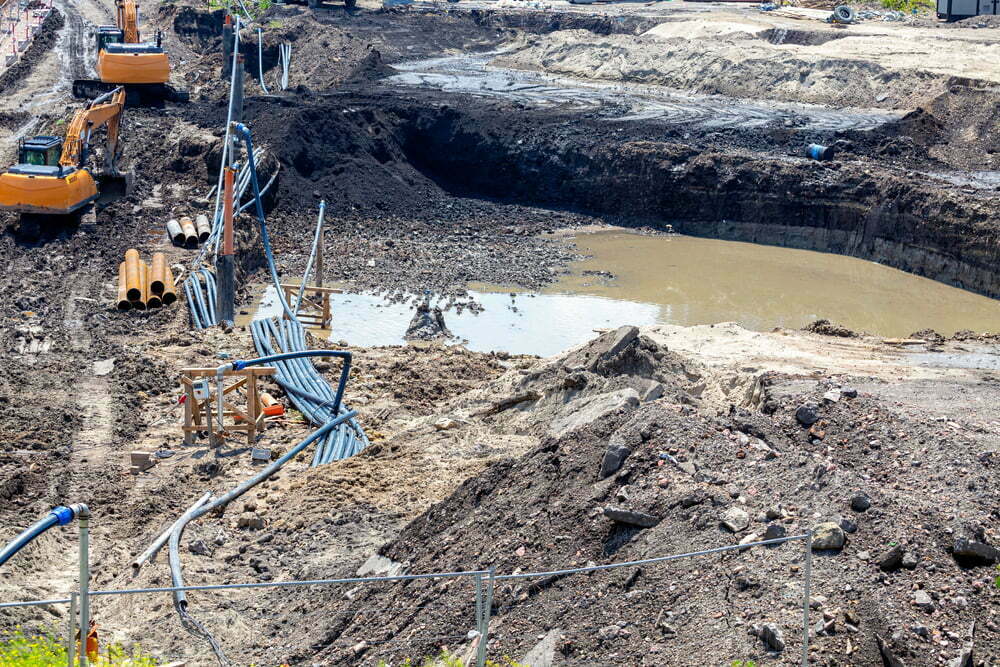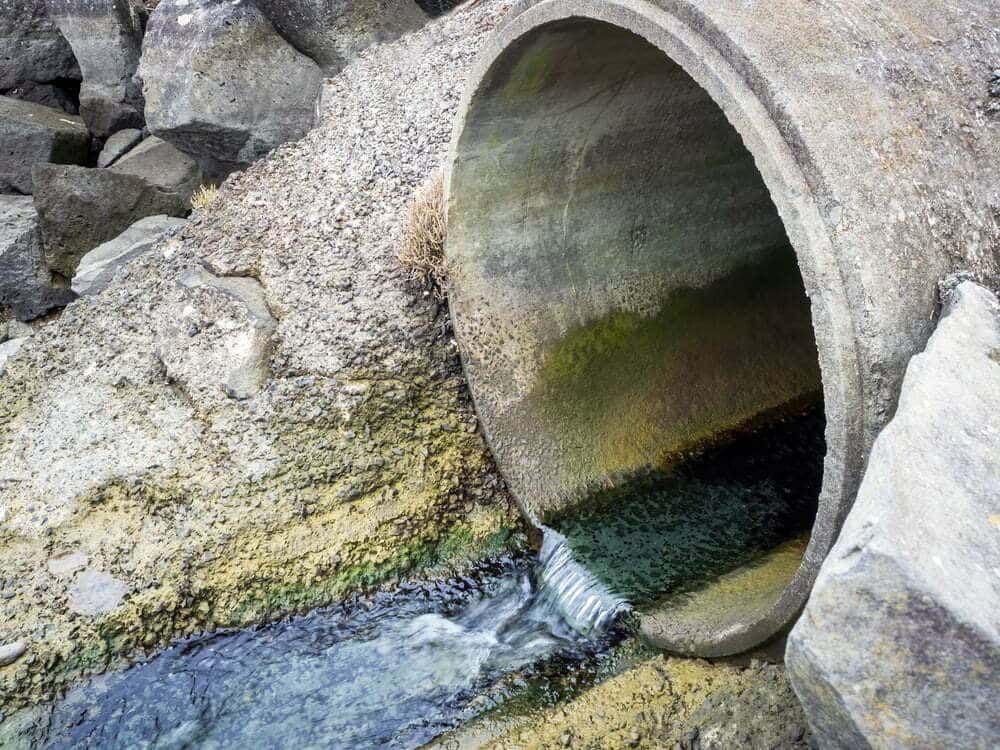
When it comes to stormwater pollution prevention, it’s easy to assume that compliance issues come with a lack of controls. That’s only part of the reason. Poor coordination is also a significant factor. Construction sites often rely heavily on physical controls or focus only on policies and training. Understanding structural vs non-structural BMPs and planning them together is one of the most effective ways to improve SWPPP performance and reduce violations.
Read more to see how they work best when properly coordinated and practical strategies to monitor and improve effectiveness over time.
Defining Structural vs Non-Structural BMPs
Understanding what each category entails is the first step toward better coordination. First, consider structural BMPs. These are any physical system that gets installed to control stormwater and pollutants. These are typically engineered or installed features designed to slow water flow, capture sediment, or prevent runoff from leaving the site. Common examples include the following:
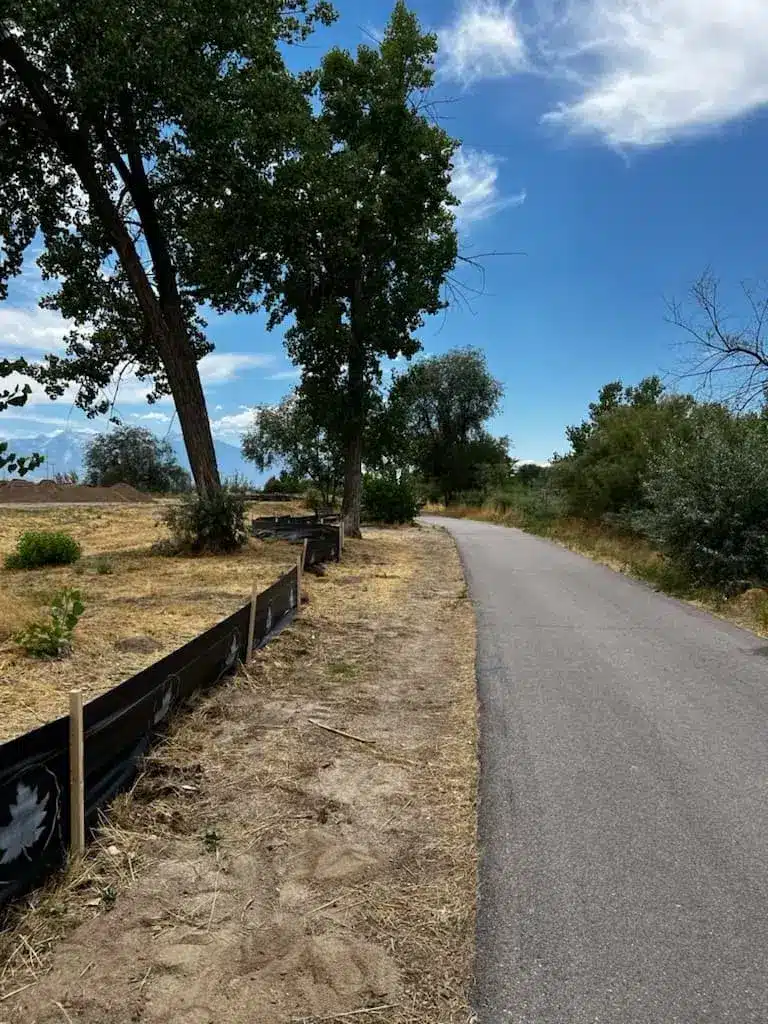
- Silt fences
- Sediment basins
- Retention and detention ponds
- Inlet protection
- Stabilized construction entrances
You can think of structural BMPs as the backbone of SWPPP plans because they directly control runoff and erosion at the source or before discharge occurs.
Non-structural BMPs are more about the processes and planning. They can be operational practices and administrative procedures that take a proactive approach to pollution prevention. Examples could include any of the following:
- Crew training and education
- Scheduling earthwork to avoid wet weather
- Materials management and storage practices
- Spill prevention plans
- Site inspections and documentation
While non-structural BMPs don’t always seem to have an immediate physical impact, they are critical to ensure compliance and reduce the need for costly structural repairs.
Structural And Non-Structural BMPs Work Best Together
One of the most common SWPPP failures occurs when structural controls are installed correctly, but not used or maintained properly. You can see why the coordination between structural vs non-structural BMPs becomes essential. A structural BMP can only work if the crews understand its purpose. Non-structural BMPs provide that guidance. Here’s a good example. A perfectly installed silt fence won’t prevent sediment loss if crews cut through it for access or allow it to clog without repair.
When planned together, non-structural BMPs support structural controls in several ways. First, it ensures proper installation timing. Secondly, it can prevent damage from construction activities. Finally, it ensures consistent maintenance and repair.
Examples of Coordinated BMP Strategies
Coordinating structural and non-structural BMPs doesn’t have to be complicated, but it does require attention to detail. Just a few small changes in planning adjustments can lead to major compliance improvements.
Sediment Basins And Crew Training
Sediment basins can be highly effective structural BMPS, but they must be utilized correctly. The right basin installation with effective crew training ensures workers understand why the basin exists, how to protect inlet points, and when sediment removal is required. They can recognize if sediment capacity is nearing limits and this can prevent failures during heavy rainfall.
Silt Fences And Scheduling Controls
A silt fence is a physical structure (structural BMP) that prevents sediment runoff. Scheduling controls can minimize the time that the fence is needed by completing earthwork before the wet season. This coordination reduces the overall risk of silt fence failure and lowers the maintenance burden.
Stabilized Entrances And Site Policies
A stabilized construction entrance control tracking sediment onto public roads. Site policies can mandate vehicle wash-down procedures and define the designated entryways and exits. This process helps ensure the effectiveness of the stabilized entrance, reducing overall sediment transfer and potential compliance issues.
Monitoring Effectiveness and Adjusting as Needed
SWPPP compliance isn’t something you do once and forget about. Continuous monitoring is essential to ensure your structural and non-structural BMPs remain effective. The following questions should be answered with regular inspections:
- Are all structural BMPs properly installed and maintained according to the SWPPP?
- Are non-structural BMPs (e.g., training, scheduling, policies) being consistently implemented by all crews?
- Has recent rainfall or site activity impacted the effectiveness of any coordinated BMP strategy?
Get Professional Guidance From SIlver Leaf SWPPP
Strategic planning and execution of structural and non-structural BMPs can help your site achieve superior compliance and environmental protection. We specialize in developing a unified approach that maximizes the impact of every control measure.
If you want professional guidance on proper BMP Installation & Maintenance, Silver Leaf SWPPP provides the support to ensure structural and non-structural controls function together seamlessly. Learn more about BMP installation and maintenance in Utah today.