Idaho’s rugged terrain and dramatic seasonal shifts make erosion control much more difficult than just a box to check. It can quickly become an essential process in protecting construction sites, roadways, agricultural areas, and natural landscapes. There are heavy winter storms, rapid freeze-thaw cycles, and spring snowmelt that all intensify risk that only gets worse with sloped grounds. When searching for reliable erosion control Idaho solutions, it’s important to understand the techniques built specifically for these conditions.
Preventing soil movement during Idaho’s harsh winters requires strategic planning, reliable BMPs(best management practices), and consistent monitoring. The challenges below break down the specific issues Idaho can face and offer techniques for protection as the temperatures drop.
Winter Makes Erosion Control Difficult In Idaho
Winter in Idaho is unpredictable and presents unique challenges for erosion control. From the mix of heavy snowfall to sudden thaws, all the forces of Mother Nature can destabilize slopes, meaning soil erosion risks increase dramatically. Snow acts as a temporary protective layer, but once it melts, it releases large volumes of water in a short period. This runoff can overwhelm unprotected soil, which leads to:
- Rapid soil displacement
- Increased sediment entering waterways
- Undermined slopes and embankments
- Damage to construction sites and infrastructure
Erosion control Idaho strategies need to be adapted for the local terrain, whether it’s the foothills of Boise or elevated mountain regions.
Idaho-Specific Erosion Control Techniques for Winter Weather
Effective erosion control in Idaho for the winter season is challenging. Techniques must be able to handle the intense cold, ongoing freeze-thaw cycles, and heavy precipitation. As a result, you’ll be better able to maintain soil stability even in the toughest winter months.
1. Hydroseeding for Soil Stabilization
What is hydroseeding? Essentially, it means using a slurry of mulch, fertilizer, and water that gets sprayed onto the ground. If it’s applied before a deep freeze, it creates a protective “blanket” that helps bind the soil particles and prevents wind and water erosion. Hydroseeding is especially effective in southern Idaho’s windy regions or in areas where steep slopes limit other BMPs
2. Erosion Control Blankets (ECBs) and Straw Wattles
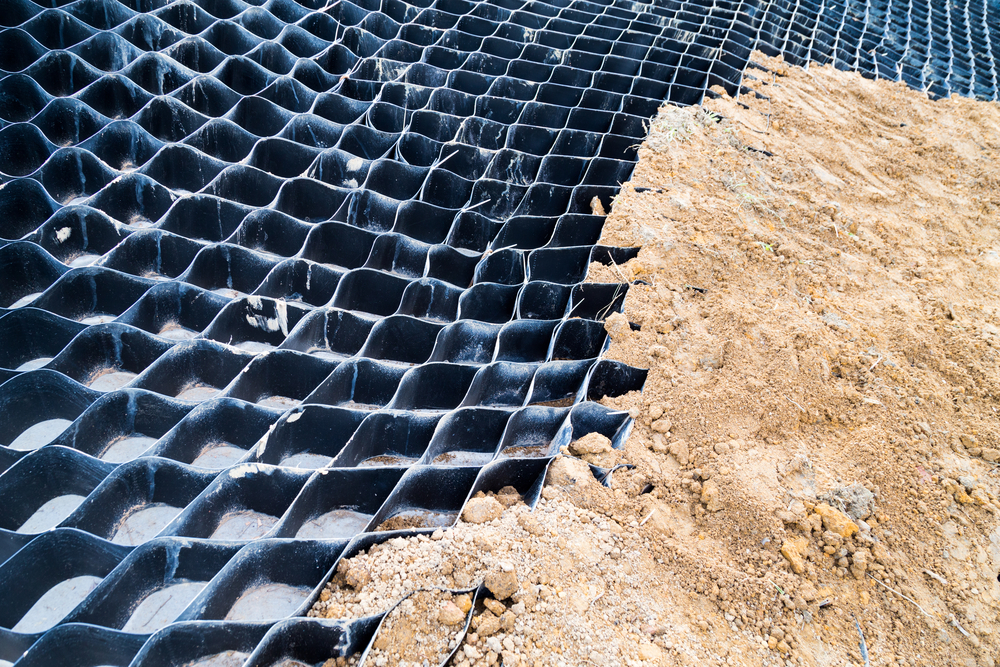
These physical barriers can be essential for erosion control Idaho projects. ECBs, made from materials like straw or coir, stabilize slopes and protect against runoff and wind. Straw wattles, which are cylinders of straw contained within netting, function to slow the flow of water and effectively trap sediment.
3. Proper Grading and Slope Reshaping
Proper grading and slope reshaping can be the foundation of erosion control in the Idaho area. Slopes that have the proper slope ensure water flows away from the vulnerable areas. Also, including diversions and terracing on long, steep slopes can reduce the velocity of runoff. Because snowmelt sends large amounts of water downhill, proper grading is one of the most effective methods of erosion control.
4. Specific Solutions For Heavy Flow Areas
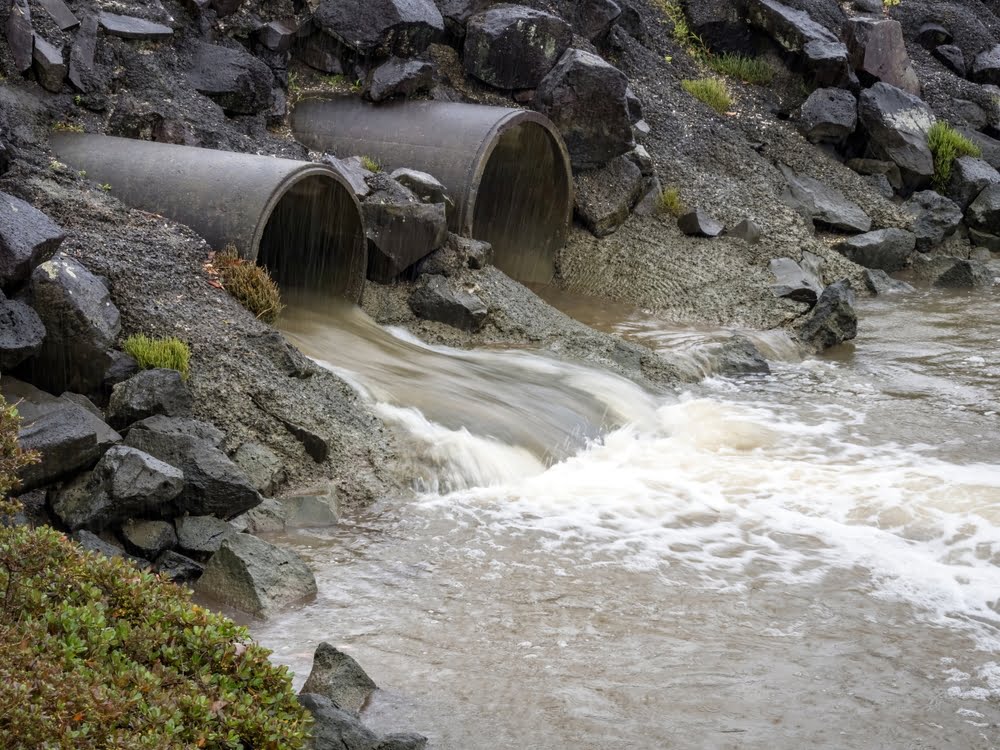
A common challenge for controlling erosion in Idaho is the areas that experience concentrated water flow. Using ripraps (strategically placed rocks) help to stabilize the soil and prevent scouring in these critical points. Also, check dams in channels and sediment basins can manage high volumes of spring runoff, which prevents any further degradation.
5. Silt Fences and Sediment Control Devices
Silt fences might not stop erosion on their own, but they play a big role in keeping soil where it belongs. These fences catch sediment before it can flow into streams, rivers, or storm drains, making them a simple but essential part of winter erosion control in Idaho. You can think of them as your last line of defense, keeping all the hard work of protecting slopes in check rather than ending up in waterways.
The Importance of Winter-Ready SWPPP Inspections
Controlling erosion in Idaho isn’t only about installing best management practices (BMPs). Regular inspections also play a vital role because storm events and freezing temperatures can compromise even the best prevention techniques. Regular inspections help identify:
- Damaged wattles and fences
- Areas where blankets have lifted
- Channels forming along slopes
- Shifting runoff paths
Monitoring ensures BMPs remain functional throughout the winter, which has several advantages, including maintaining compliance with local/state regulations, preventing costly fines or violations, protecting natural resources, and much more.
Takeways
- Idaho’s winter conditions require specialized erosion control
- A combination of techniques is essential for winter success:
- Regular SWPPP inspections are critical throughout winter
Work with Idaho’s Erosion Control and SWPPP Compliance Specialists
Wondering how to keep your Idaho slopes safe and your project compliant all winter? Silver Leaf SWPPP can help. From securing permits to maintaining erosion control measures and inspecting sites, we make sure your project stays on track and protected. Learn more about our erosion control Idaho services at Silver Leaf SWPPP.