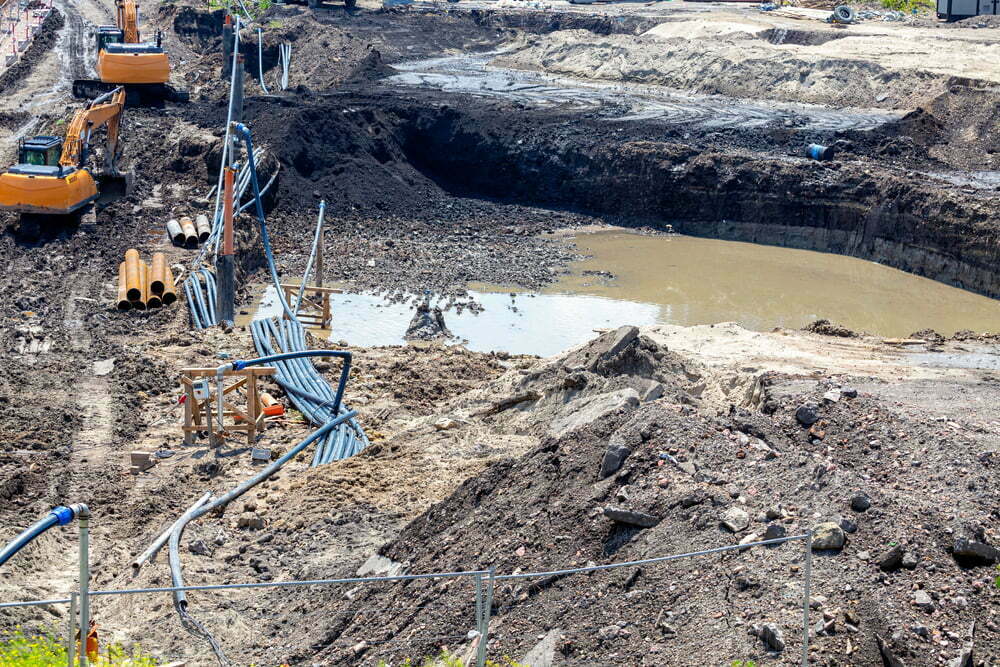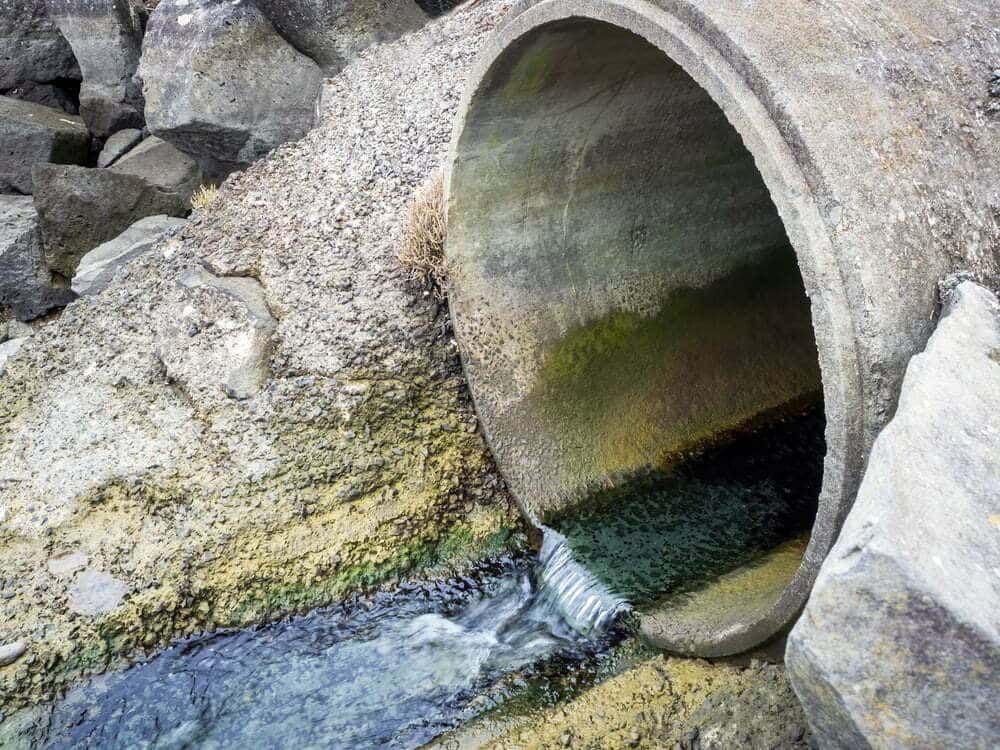

SWPPPS ( Stormwater Pollution Prevention Plans) aren’t just paperwork to check a box. They’re a vital part of ensuring construction and land-disturbing activities don’t harm local waterways. SWPPP inspection frequency helps ensure that your erosion and sediment controls are working properly and that you’re meeting permit requirements throughout the life of a project.
One of the easiest ways to prevent issues is to have regular inspections. This guide will provide everything you need to know about SWPPP inspection frequency and when they should really be conducted.
Meeting Regulatory Minimums
The SWPP inspection frequency can vary by state, but there are recommendations put in place by the EPA (Environmental Protection Agency). Under these guidelines, inspections must occur at least once every 7-14 calendar days, and within 24 hours after a storm event of 0.25 inches or more.
These numbers aren’t arbitrary. They set the purpose of catching potential problems before they become compliance issues or escalate into serious environmental concerns. To maintain the highest standards of environmental protection and regulatory compliance, many projects benefit from a more proactive SWPPP inspection frequency. Your inspection schedule becomes part of your compliance record and plays a key role in permit audits or reviews.
Why Environmental Factors Matter
Construction sites throughout Utah aren’t static. Weather can change dramatically throughout the seasons and influence how stormwater behaves and how your BMPs perform.
Rainy Seasons
Soil is more prone to getting dislodged or washed off-site during heavy rainfall. Heavy storms can overwhelm controls before they’re fully mature or properly maintained. That’s why regulatory programs require inspections within 24 hours after a rainfall event of a specified intensity (commonly 0.25–0.5 inches)
These inspections can help ensure structural BMPs (like silt fences, sediment basins, and inlet protection) are still intact and functioning. If there is an issue, they need to be repaired immediately.
Snowmelt And Thaw Cycles
Rain isn’t the only concern. In colder climates like here in Utah, snow can also generate significant runoff and carry sediment off-site. Some permits require inspection after snowmelt events that result in runoff, even when there hasn’t been rain.
Understanding these environmental conditions helps you anticipate when extra vigilance is needed and prevents non-stormwater issues, (like ice buildup or saturated soils), from undermining your erosion controls.
Tailoring Inspections to Project-Specific Needs
Not all sites are created equal. There are factors that can influence SWPPP inspection frequency. The size of your site, its topography, soil type, and proximity to sensitive waters all make an impact.
- Site Size and Complexity
Larger projects inherently have more ground disturbance, increased potential for runoff, and more BMPs to track. These factors often justify more frequent SWPPP Inspections than the regulatory minimum. Higher-risk sites could benefit from daily visual checks during active storm patterns even if regulations don’t explicitly require them.
- Proximity To Sensitive Waters
Sites that discharge into waters with impaired status or strict water quality standards often require increased inspection frequency. These projects might also face more stringent reporting requirements or require continuous monitoring in addition to standard SWPPP inspections.
Best Practices For Conducting SWPPP Inspections Effectively
SWPPP inspection frequency matters, but only if it’s done with fidelity and precision. Below are three elements that a good SWPPP inspection should include:
- Reviewing and Assessing BMPs: All best management practices need to be checked to ensure they are properly installed and functioning as intended.
- Taking corrective actions: Documenting any deficiencies is necessary and outlining the necessary steps to fix them.
- Updating the SWPPP documentation: Record the date, time, findings of the inspection and note any revisions.
Frequently Asked Questions (FAQ)
1. What does “SWPPP inspection frequency” mean?
It refers to how often a construction site must be formally inspected to ensure that erosion and sediment control measures (BMPs) are installed, maintained, and functioning correctly.
2. Are the 7-day or 14-day rules mandatory everywhere?
These are general minimum guidelines set by the EPA’s NPDES permit program. While many state permits (like Utah’s) adopt these minimums, your specific permit dictates the exact mandatory frequency for your site. Always defer to your permit and local regulations.
3. Who is qualified to conduct a SWPPP inspection?
The inspector must be a “qualified person” designated by the operator. This usually means someone knowledgeable about the principles of erosion and sediment control. They have the authority to implement corrective actions.
Ready to Take Your Stormwater Compliance to the Next Level?
Don’t rely on guesswork to ensure your stormwater program stays compliant and effective. Partner with Silver Leaf SWPPP for thorough SWPPP inspections performed at the right intervals, with certified inspectors, detailed reporting, and online documentation to support regulatory compliance.
We would love to help and know more about your project. Contact us today for a free estimate to get started.