
Stormwater compliance can be a difficult world to navigate. Many people assume that installing the right BMPs (best management practices) is enough to do the job. However, BMP installation effectiveness depends on several moving parts working together. Materials matter, the site condition, the weather, the people involved, and how well everything is maintained over time.
Understanding these factors is crucial for helping construction teams and developers from making costly mistakes. Let’s break down the key variables that influence how well BMPs actually perform in the real world.
Soil Type and Slope: The Foundation of Performance
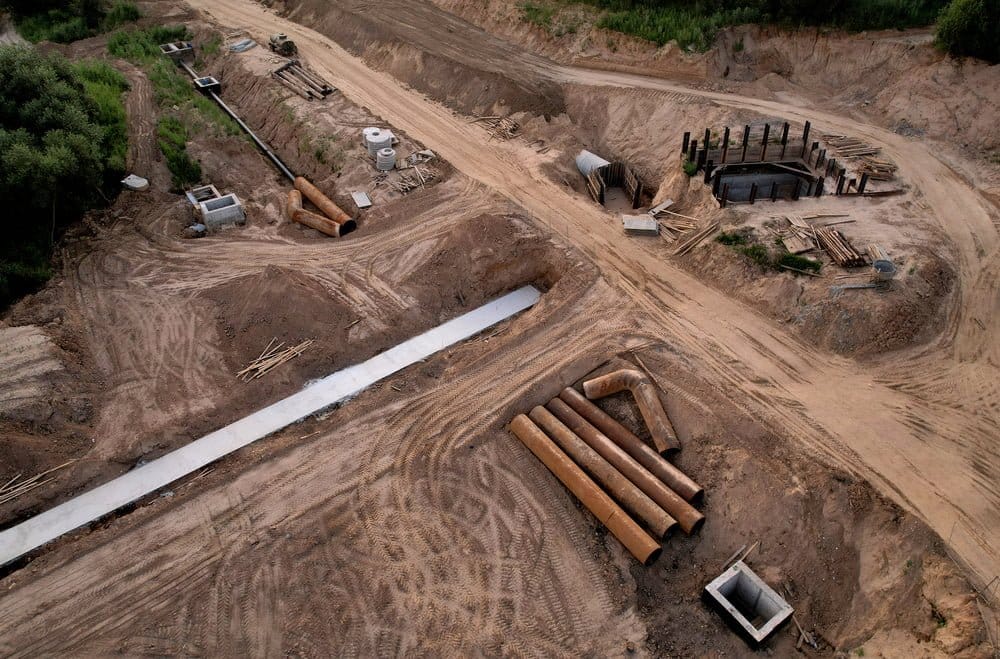
It’s safe to say that no site is the same, especially across the diverse terrain of Utah, Idaho, and Colorado, where we serve. Soil composition and slope play a major role in erosion potential and directly impact BMP installation effectiveness. If you have an area with sandy soil, it tends to drain quickly, but it is also prone to more erosion on slopes.
Clay-heavy soils may hold water longer, increasing runoff and pressure on BMPs. Steep slopes accelerate water flow, which means BMPs need to be strategically placed and properly sized to slow runoff before it causes damage. Ignoring these factors can lead to BMP failure and non-compliance fines.
Weather and Seasonal Changes Matter More Than You Think
If you had to think of one of the most unpredictable parts of BMP installation effectiveness, it would have to be unpredictable weather conditions. The Mountain Southwest region is no stranger to harsh conditions, including heavy rainfall, snowmelt, and seasonal freeze-thaw cycles, all of which put stress on erosion control measures.
Heavy rainfall can quickly overwhelm poorly placed BMPs, and freeze-thaw cycles can loosen soil and shift materials out of place. Seasonal changes also affect how often BMPs need inspection and maintenance. What works during dry months may need extra reinforcement during wetter seasons. The bottom line is to recognize the importance of local weather patterns and use that information to plan and adjust your BMP strategy accordingly. Help failures before they happen with this preventative technique.
Proper BMP Installation Is Imperative
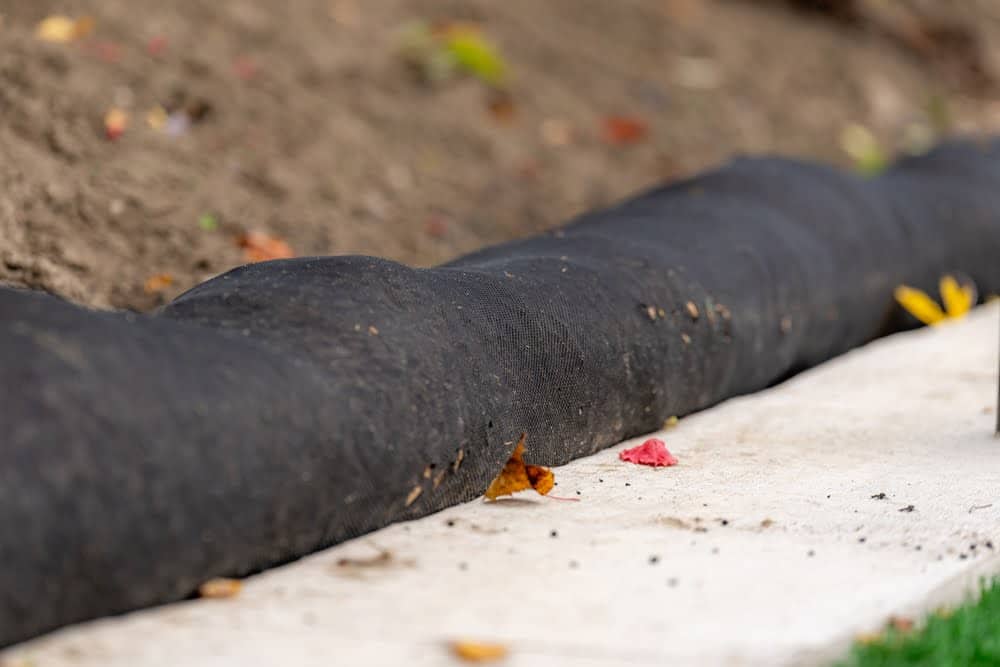
Even the best BMP plan won’t work effectively without proper installation. Some examples of failed installation practices that impact BMP installation effectiveness are improper anchoring or poor trenching. Correct placement ensures runoff is directed where it’s supposed to go. Secure installation prevents BMPs from shifting during storms. The small details can matter just as much. These include post spacing, fabric tension, or inlet protection placement.
Another important factor of quality installation is the amount of money you’ll save in the long run. Fixing a failed BMP after a storm is more costly than installing it right the first time. Across Utah, Colorado, and Idaho, this kind of attention to detail ensures maximum compliance and long-term performance.
Maintenance Keeps BMPs Doing Their Job
A BMP installation is not a “set and forget” solution. Instead, BMP installation effectiveness needs ongoing maintenance, regular inspections, and prompt repair if any issues arise. There are different factors that can reduce effectiveness over time, including sediment buildup, damaged materials, and weather-related wear. Routine maintenance is the backbone of a quality BMP plan, reducing the likelihood of water issues like flooding and contamination.
When should routine checks be completed? Best practices include after major storm events and at regular intervals as specified in your SWPPP (Stormwater Pollution Prevention Plan). By prioritizing consistent upkeep, you ensure that your investment in a BMP continues to pay off with reliable performance and compliance.
Training, Awareness, And Compliance
The final, yet most critical element is the human element factor. BMP installation effectiveness can only be maximized when every team member is properly trained and fully aware of their responsibilities under the SWPPP. Continuous training and a strong culture of compliance are essential for preventing failures caused by human error. Ultimately, the effectiveness of any BMP system is a direct reflection of the team’s commitment to compliance and quality control
By ensuring all personnel understand why the BMPs are in place and how to maintain them, companies in Utah, Idaho, and Colorado can protect their projects from environmental damage and costly non-compliance penalties. Investing in training and awareness is the best way to ensure your BMP strategy is consistently implemented and maintained for long-term sustainability.
Bringing It All Together: Team With Silver Leaf SWPPP
Are you ready to maximize your project’s compliance and performance? Don’t let these variables above compromise your erosion control. Partner with Silver Leaf SWPPP, providing BMP Installation and Maintenance services throughout Utah, Colorado, and Idaho.