Construction projects involve many moving parts that affect daily operations. From preparing the site and coordinating crews to keeping the work on schedule, everything has a purpose. One area that can sometimes be overlooked during the early planning stages is stormwater compliance. Taking the time to understand these requirements before work begins can help contractors and project owners stay organized. You’re also staying in compliance with local and federal regulations.
For many projects, that means understanding when a SWPPP on a construction project may be necessary. Silver Leaf SWPPP helps construction teams throughout Utah, Idaho, and Colorado navigate stormwater requirements and prepare for the work ahead. Take a closer look at what can trigger the need for a SWPPP and why determining those requirements early can make the overall construction process much easier to navigate with a proactive approach.
Table of Contents
- Learn when a SWPPP is legally required based on the scope and location of a construction project.
- Understand how federal, state, and local stormwater regulations can trigger permit requirements.
- Discover which types of construction activities may require SWPPP compliance.
- Learn how early SWPPP preparation can help prevent delays, penalties, and compliance issues.
- Understand the potential consequences of failing to implement and maintain a compliant SWPPP.
When Is a SWPPP Legally Required?
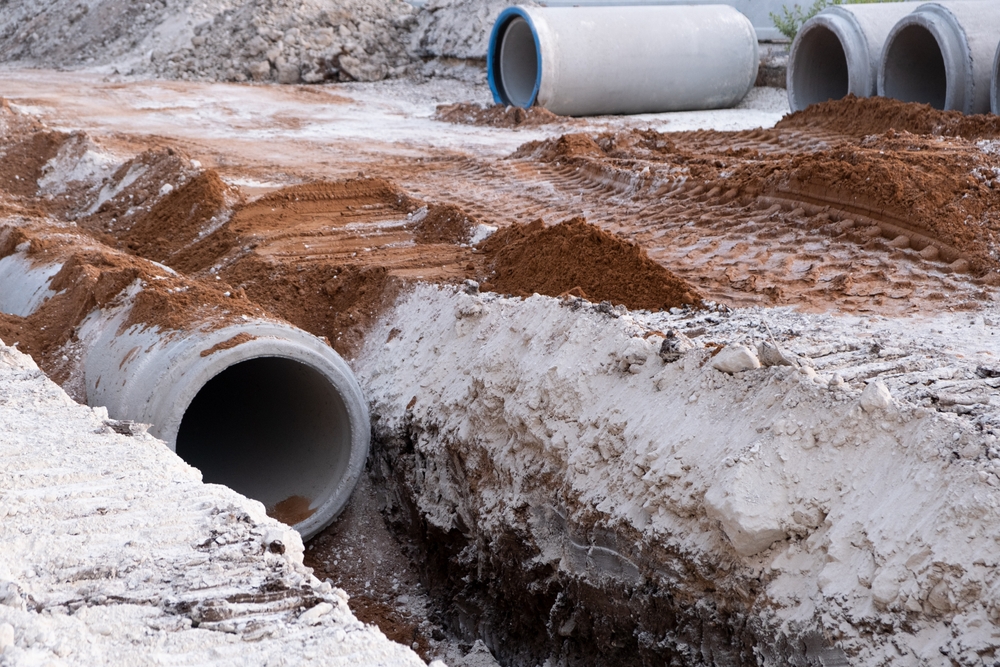
Understanding when stormwater regulations apply is an important part of planning any construction project. In general, a Stormwater Pollution Prevention Plan (SWPPP) is required when construction activities disturb one acre or more of land. This includes activities such as clearing, grading, excavating, or otherwise altering the ground in a way that could increase stormwater runoff or expose soil to erosion.
The one-acre threshold is important, but that’s not the only factor to consider. Even if a project disturbs less than one acre, it may still need permit coverage if it is part of a larger overall development where the total land disturbance adds up to one acre or more. Project teams have the responsibility to look beyond the individual construction sites when determining their obligations.
Knowing whether you need a SWPPP on a construction project early keeps the project moving forward proactively. Requirements can also vary based on the project’s location and applicable permitting authority. Identifying and planning for requirements before ground disturbance begins is a critical step in maintaining compliance.
Federal, State, and Local Stormwater Permit Triggers
Stormwater requirements can come from multiple levels of government. It can be tricky to understand which rules apply to your particular site. At the federal level, the Clean Water Act establishes the National Pollutant Discharge Elimination System (NPDES), regulates stormwater discharges associated with certain construction activities. In many cases, projects that meet applicable disturbance thresholds must obtain permit coverage before construction even starts.
State agencies often administer NPDES construction stormwater permits. Requirements can vary depending on the type of project or the size. Local governments may also have additional stormwater standards that contractors and developers need to abide by. These requirements can address erosion control, site inspections, documentation, and other measures designed to protect the local waterways.
Permit requirements can be triggered by any of the following:
- Reaching the applicable land-disturbance threshold
- Discharging stormwater associated with construction activity
- Working within an area covered by specific water-quality protections
- Being subject to state-specific construction stormwater requirements
Early SWPPP Preparation Is Crucial
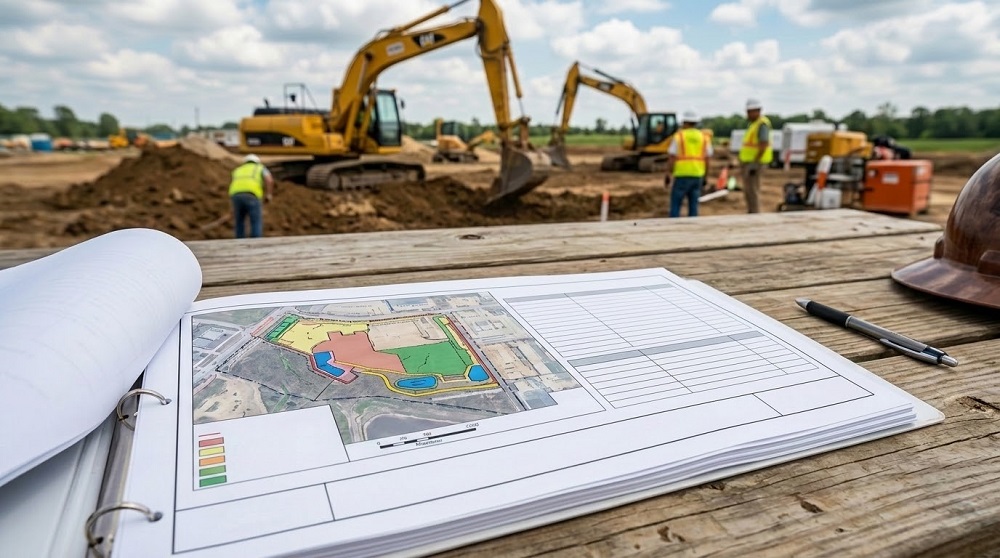
Preparing your stormwater plan early can help keep construction moving without unnecessary interruptions that impact budget or delivery. Waiting until the last minute to address requirements can leave teams scrambling to complete documentation or make changes before work can begin. Starting the process early gives project teams time to identify requirements and address potential concerns.
A SWPPP on a construction project also provides a clear plan for managing stormwater and reducing the risk of compliance problems. Taking a proactive approach can help prevent costly delays and potential penalties. It also gives contractors and owners greater confidence that stormwater requirements have been addressed before activities that disturb the ground.
Early preparation is ultimately about keeping the project on schedule while reducing avoidable compliance risks.
What Happens When a SWPPP Isn’t Compliant?
A SWPPP isn’t just paperwork that you sign and forget about. It’s an integral part of compliance and safety before construction begins. If a project fails to implement or maintain a compliant plan, the consequences can affect project timelines and budget. Inspections may uncover problems that require immediate corrective action. Even more serious violations can lead to enforcement actions and extensive penalties.
| Potential Issue | What It Can Mean for a Project |
| Compliance violations | Corrective actions may be required to address deficiencies. |
| Project delays | Work may be interrupted while stormwater issues are resolved. |
| Financial penalties | Violations can result in costly fines or other enforcement measures. |
| Increased project risk | Ongoing problems can create additional regulatory concerns. |
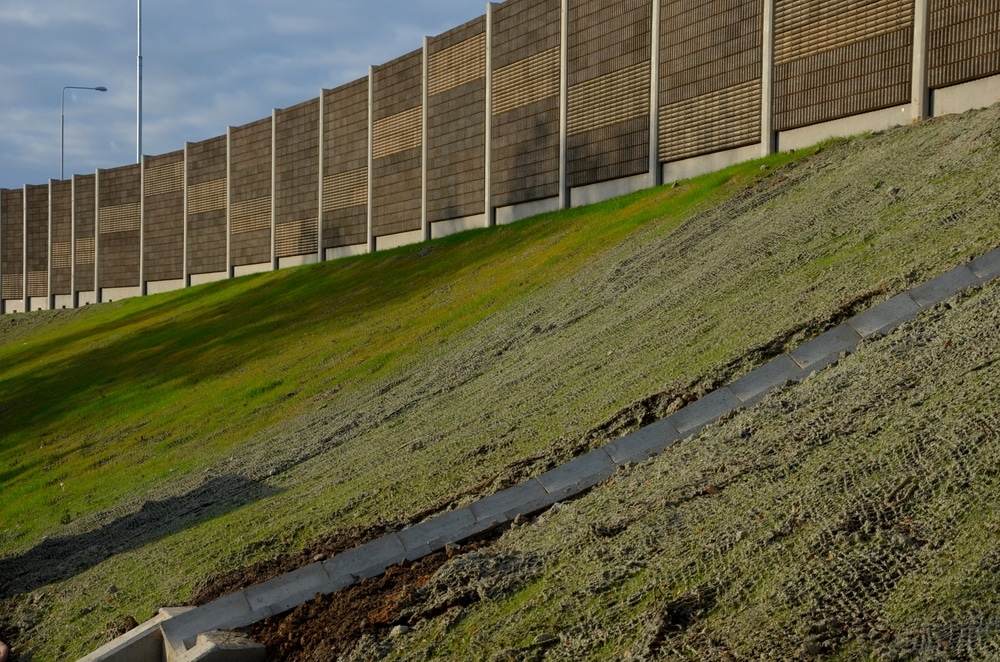
Here’s an example in Utah, where construction often takes place on steep slopes, and highly erodible terrain is common. Imagine a project that begins ground-disturbing work without properly addressing applicable stormwater requirements could quickly face an inspection and be required to correct deficiencies before moving forward.
The combination of sudden rain events and fast-moving sediment makes compliance especially non-negotiable. Taking stormwater planning seriously from the beginning helps prevent a manageable oversight from turning into a much larger project issue.
Keep Your Project Moving With Silver Leaf SWPPP
Need help keeping your project on track? Silver Leaf SWPPP provides permitting, inspections, BMP installation and maintenance, documentation, and project consultations. We are proud to serve with locations in Utah, Idaho, and Colorado. Learn more about our stormwater solutions designed to help contractors stay compliant and avoid unnecessary delays.
Frequently Asked Questions
How long does it take to prepare a SWPPP on a construction project?
Timing depends on the project’s size and location. Starting early is recommended to avoid delays.
Does a SWPPP need to be updated during construction?
The plan may need updates when project conditions or stormwater controls change.
Who is responsible for maintaining stormwater controls?
The project team is responsible for ensuring required controls are maintained and deficiencies are addressed.