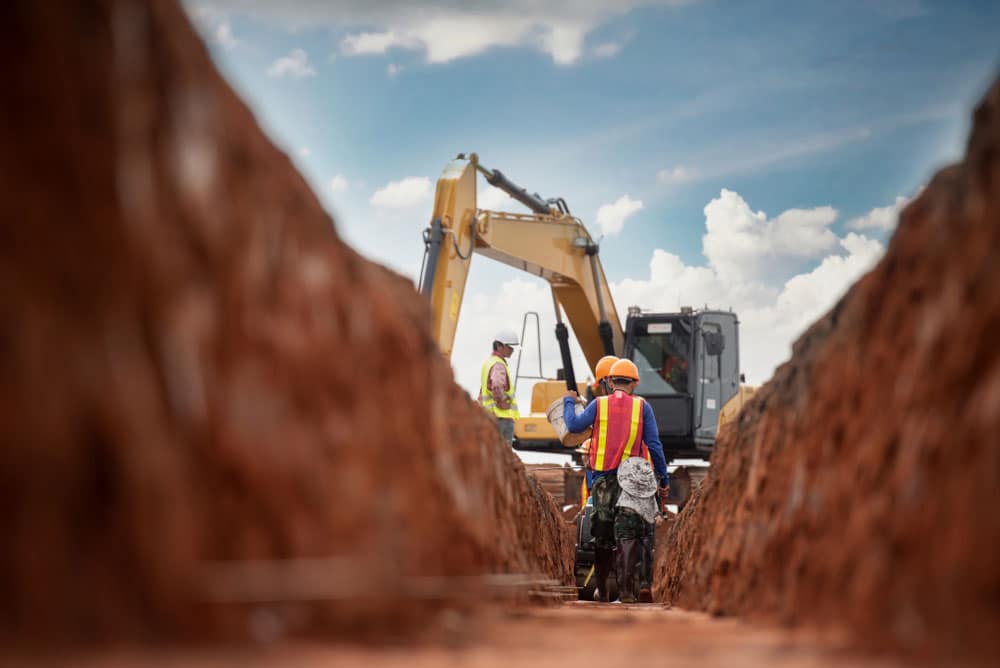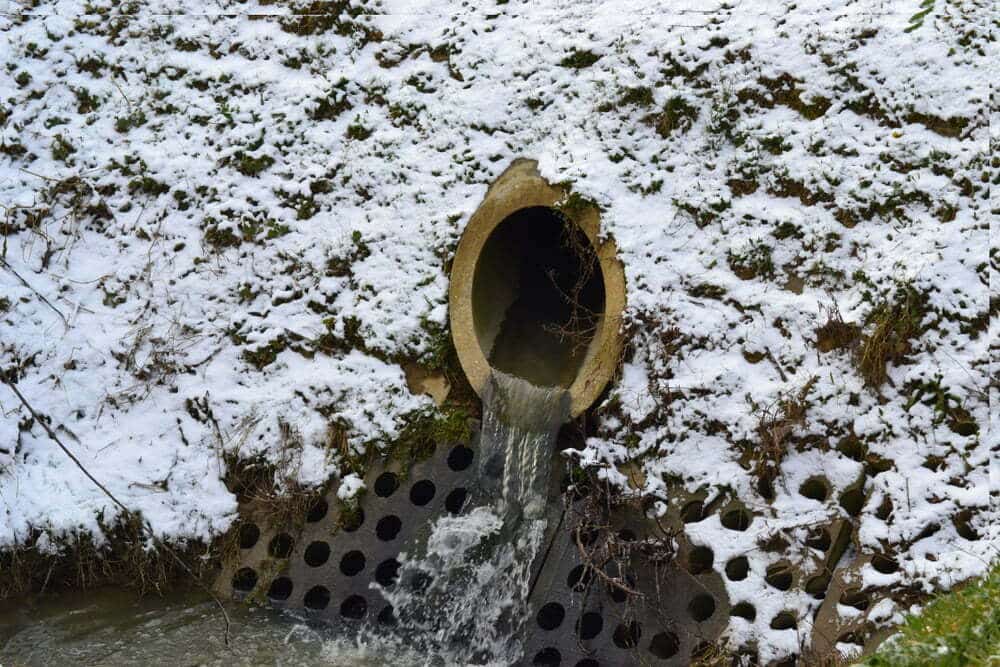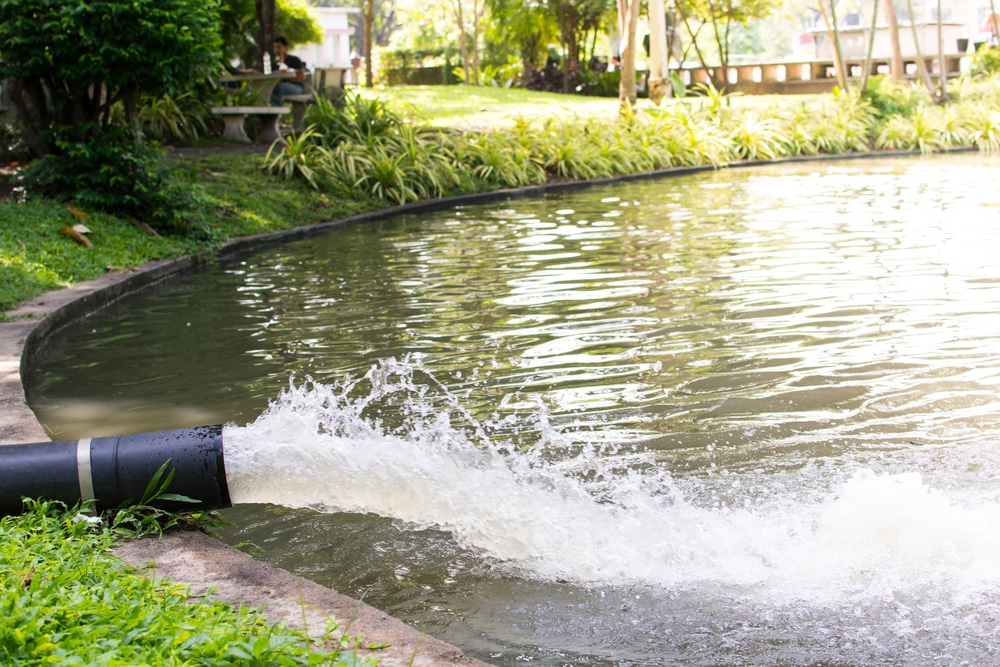
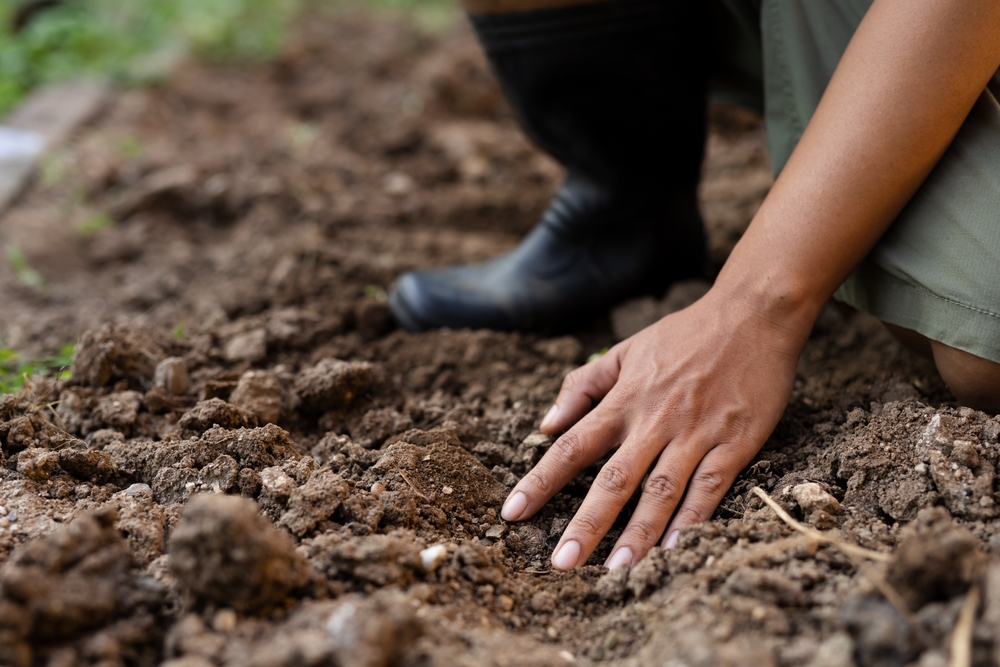
When it comes to construction projects across Utah, Idaho, and Colorado, one of the biggest factors influencing site compliance and environmental protection isn’t just rainfall. It’s also about the soil. The type of soil below your project can directly affect how water moves, how erosion evolves, and, more importantly, which stormwater management strategies should be implemented.
The team at Silver Leaf SWPPP often sees this problem. Two sites can have the same storm, yet they behave completely differently because of the soil (i.e., one has sandy soil and the other has clay). Understanding these differences is key to building an effective SWPPP and staying compliant.
Soil Type Matters With Stormwater Planning
When most of us think of soil, we think it’s just “dirt” that doesn’t cause much of an issue. That’s far from the truth. It’s a mixture of sand, silt, and clay particles that determines how water behaves. Some soils soak water in quickly, while others cause runoff almost immediately. In stormwater planning, soil can control infiltration rate (the rate at which water enters the ground), runoff volume/velocity, erosion potential, and sediment transport. Soil type is one of the most important factors to evaluate when planning stormwater management strategies.
Clay Soils: Slow Drainage and High Runoff Risk
Clay soils have extremely fine particles that pack tightly together. As a result, this soil type is extremely difficult for water to run through. On construction sites, clay typically results in:
- Very slow infiltration rates
- Increased surface runoff
- Higher erosion when disturbed
- Standing water after storms
Water doesn’t absorb easily. Since that’s the case, aggressive controls are often implemented, which include reinforced sediment barriers, frequent dewatering adjustments, and carefully designed diversion systems. Clay-heavy regions like Colorado understand the necessity of these aggressive controls.
Sandy Soils: Fast Infiltration With Higher Contamination Risk
You can think of sandy soil as on the opposite end of the spectrum compared to clay. They allow water to move quickly through large pore spaces. As a result, this can lead to:
- High infiltration rates
- Lower surface runoff
- Reduced ponding
- Increased risk of groundwater contamination transport
Sandy soils can reduce runoff and flooding, but you also need to be more aware of the challenges posed by pollutant infiltration. Contaminants are much more likely to flow freely through sandy profiles. Erosion control measures should focus more on filtration and stabilization than on runoff containment alone. Sandy or loamy soils are quite common in Idaho, so stormwater management strategies often prioritize protecting groundwater and stabilizing disturbed areas quickly. .
Silt Soils: The Erosion “Sweet Spot”
Silt can be easily overlooked, but play a major role in construction site performance. These fine particles are smooth, light, and easily transported by water.
Silty soils tend to:
- Erode very easily
- Produce high sediment loads in runoff
- Hold moderate water but release it quickly
- Become unstable when saturated
Silt-rich sides often require enhanced erosion-prevention measures. Some examples include rapid seeding and tighter sediment containment. Without strong controls, silt can quickly be washed off a site during storm events. Some experts agree that silt can be one of the most challenging soil types to implement effective stormwater management strategies.
Soil Composition and Erosion Risk
Rainfall intensity isn’t the only factor for increasing your erosion risk. Soil composition is heavily tied to it. To summarize the soil types above, remember this about each one. Generally, sand resists erosion but moves quickly with flowing water. Silt is highly erodible and easily transported. Finally, Clay resists particle movement but can generate heavy runoff.
This is why SWPPP planning always considers soil type when selecting stabilization methods and sediment controls. A site in Utah with mixed soils may need layered controls that address both runoff speed and sediment retention.
It’s also critical to emphasize the importance of soil testing. It helps determine soil texture, permeability/infiltration rates, erosion susceptibility, and much more. Without soil testing, stormwater plans are essentially guesses. A properly tested site allows engineers to design controls that match real site conditions rather than rely on assumptions. Across Utah, Idaho, and Colorado, soil conditions can vary drastically even within short distances. That’s why professional SWPPP development always includes soil evaluation before finalizing stormwater management strategies.
Long-Term Environmental Protection Considerations
SWPPPs do much more than only keep you compliant. They play a vital role in environmental protection. Poorly managed soil disturbance leads to a host of problems. Some of these include sediment pollution in nearby waterways, reduced soil fertility after construction, and increased flooding risk. By understanding soil type and applying the right controls early, construction teams help protect surrounding ecosystems long after the project is complete.
Effective Stormwater Management With Silver Leaf SWPPP
Every successful SWPPP must include a deep understanding of the soil type. We specialize in designing site-specific solutions that adapt to real ground conditions across Utah, Idaho, and Colorado. If you’re planning a project and need help developing compliant and effective plans, professional guidance makes all the difference. Learn more about effective stormwater management with Silver Leaf SWPPP and ensure your site is built on a solid foundation from the ground up.