When you’re planning a construction project, planning for how you will manage water runoff is probably not the most exciting part. However, it’s necessary. Without the right approach, stormwater can carry sediment, pollutants, and debris into nearby waterways, creating environmental issues and potential compliance headaches. That’s where understanding stormwater management solutions becomes essential.
This overview will dive into the key differences between temporary and permanent controls, explore common examples of each, and explain how requirements shift from the construction phase to long-term site management.
Temporary vs. Permanent Stormwater Controls: What’s the Difference?
Stormwater controls can be categorized into two types: temporary and permanent. Each of them play a unique role, depending on the phase of the project you’re in.
Temporary controls are designed to manage stormwater during the active construction phase. Since the land is often disturbed, these measures focus on preventing erosion and keeping sediment on-site. Conversely, permanent controls can be used once the project is nearing completion or has finished altogether. Their job is to manage stormwater for the long haul, ensuring proper drainage and protecting surrounding ecosystems for years to come.
Both of these stormwater management solutions can play a vital role. If you skip or mismanage one of them, it can quickly become costly, or you’ll run into compliance issues.
Common Examples of Temporary Measures
When you’re in the active construction phase, the primary goal is simple. You want to keep soil where it belongs and prevent runoff from causing damage. Temporary controls are typically easy to install, maintain, and remove once the project is finished. Common methods are explained in more detail below.
- Silt basins: These basins collect runoff and allow sediment to settle before the water is discharged. They’re especially useful on larger sites where runoff volume is higher.
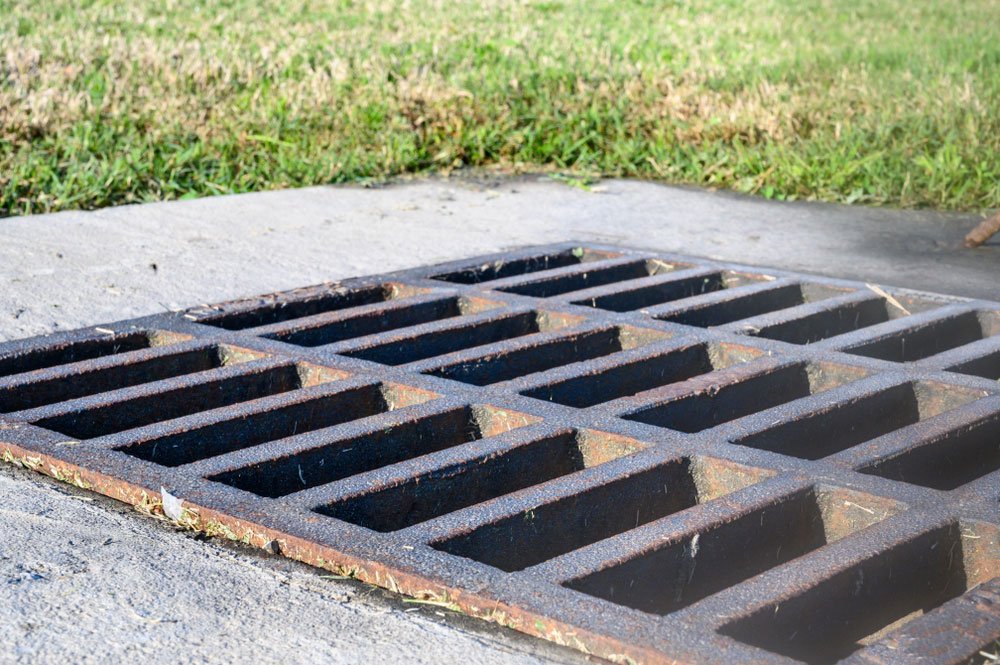
- Inlet protection: Storm drain inlets can quickly become clogged with debris during construction. Temporary barriers or filters help prevent sediment from entering the drainage system.
- Erosion control blankets: Erosion control blankets (ECBs) are temporary covers placed on disturbed soil, especially on steep slopes, to protect against erosion by reducing the impact of rainfall
Examples of Permanent Stormwater Systems
As the construction process finishes up, the shift changes from short-term containment to long-term management. Permanent systems are designed to handle runoff efficiently while supporting environmental sustainability. Some of those common examples are below:
- Retention ponds: A retention pond is a place designed to hold stormwater indefinitely. It’s typically a basin that eventually allows water to evaporate and helps remove pollutants naturally over time.
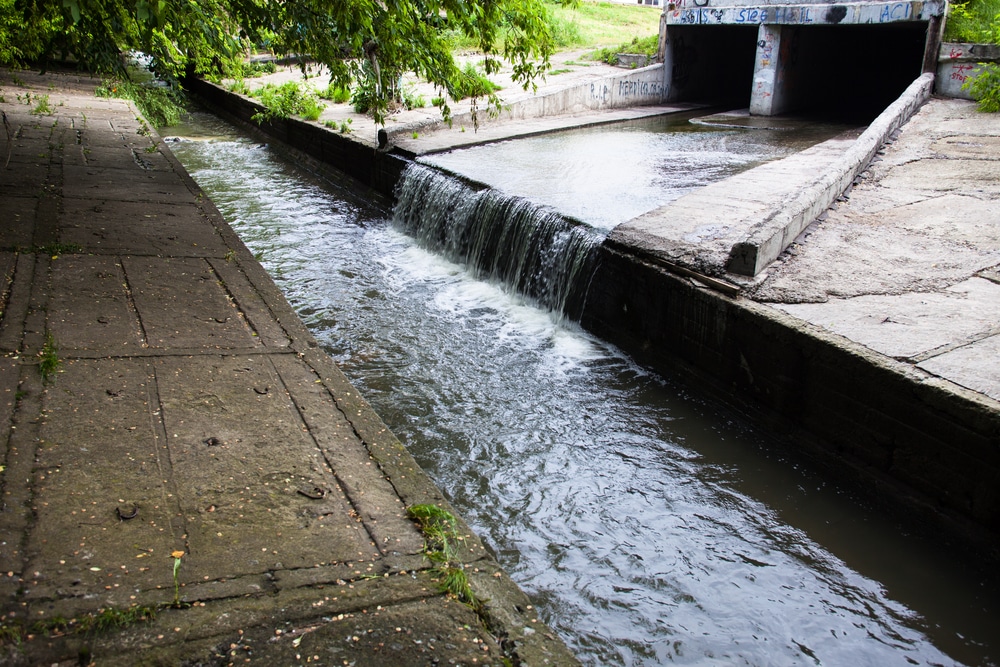
- Detention ponds: These are very similar to retention ponds. The key difference is they temporarily store water but release it at a controlled rate to prevent downstream flooding.
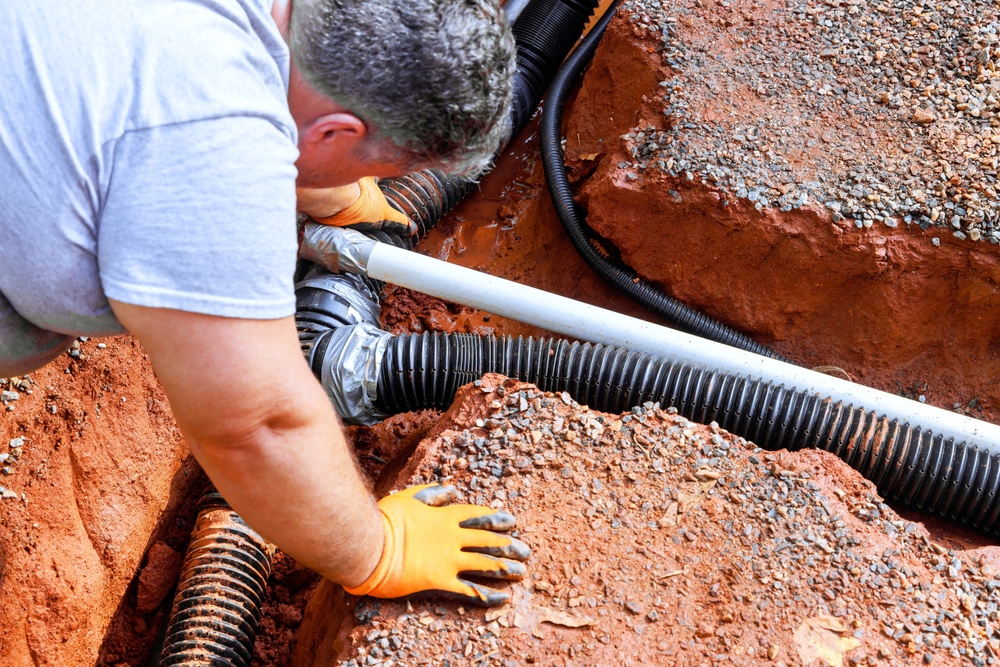
- Underground drainage systems: These systems use pipes, chambers, or vaults to manage water below the surface. They’re ideal for areas with limited space or where aesthetics are a concern.
Permanent stormwater management solutions are all about durability and efficiency. The goal is for the site to remain compliant and environmentally responsible long after the project ends.
Construction Phase vs. Post-Construction Requirements
Project managers have a difficult role because they have to understand how requirements change over time. During construction, regulations typically focus on erosion and sediment control. This is when temporary measures are implemented and adjusted as conditions change. Inspections are frequent, especially after rainfall events. This step ensures everything is functioning properly.
After construction, the emphasis shifts to maintaining permanent systems. This includes ensuring proper drainage, preventing flooding, and managing water quality. While inspections may be less frequent, they’re still essential to confirm that systems continue to perform as intended.
Compliance and Inspection Considerations
The right systems for managing stormwater get you started, but that’s not the only way you stay compliant. It’s about maintaining them and documenting your efforts.
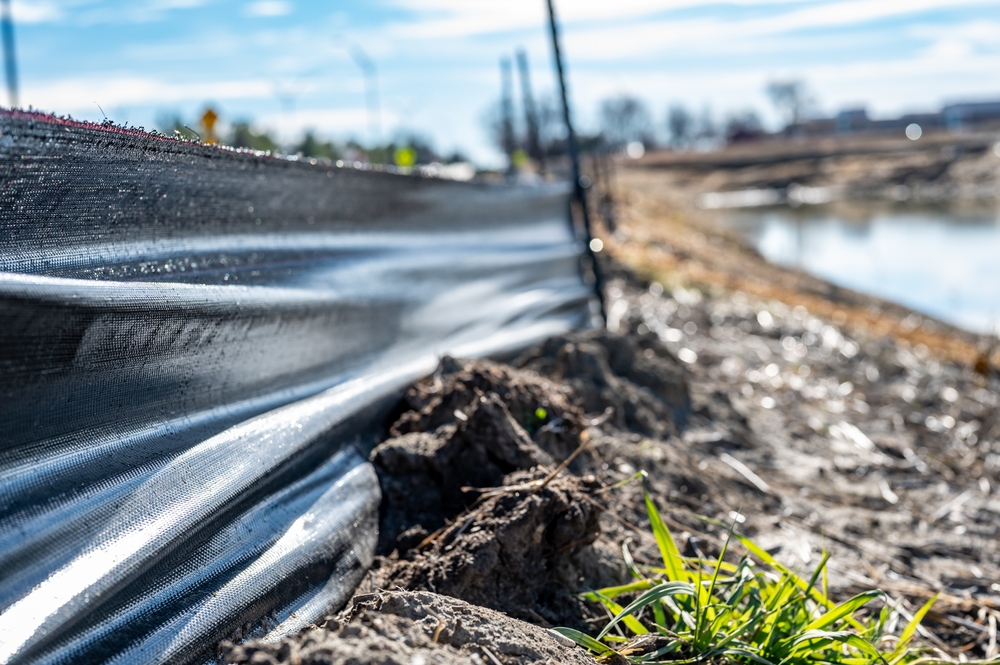
During the construction phase, inspections are often required weekly and after significant rain events. Any issues, such as damaged silt fences or overflowing basins, need to be addressed promptly. Proper documentation is also critical because it shows commitment to meeting regulatory standards.
For permanent solutions, an inspection will focus on long-term performance. Some questions that will be investigated could include: Are ponds functioning correctly? Is vegetation healthy? Are drainage systems free of blockages? Regular maintenance ensures that your investment in stormwater management solutions continues to pay off. That’s why many contractors and developers in Utah, Idaho, and Colorado rely on experts like Silver Leaf SWPPP to handle reporting and inspections.
One key fact to remember is that temporary and permanent stormwater management solutions aren’t interchangeable. Rather, they are complementary. Temporary measures protect your site during construction, while permanent systems ensure long-term functionality and environmental protection. With the right support, you keep the project compliant and help the ecosystems at the same time.
Ready for Expert Support?
If you’re navigating stormwater management for your next project, working with experienced professionals can make all the difference. Silver Leaf SWPPP provides expert guidance and services tailored to your needs, with locations in Utah, Colorado, and Idaho. Don’t hesitate to contact us to learn more about our services or to get a free estimate.