
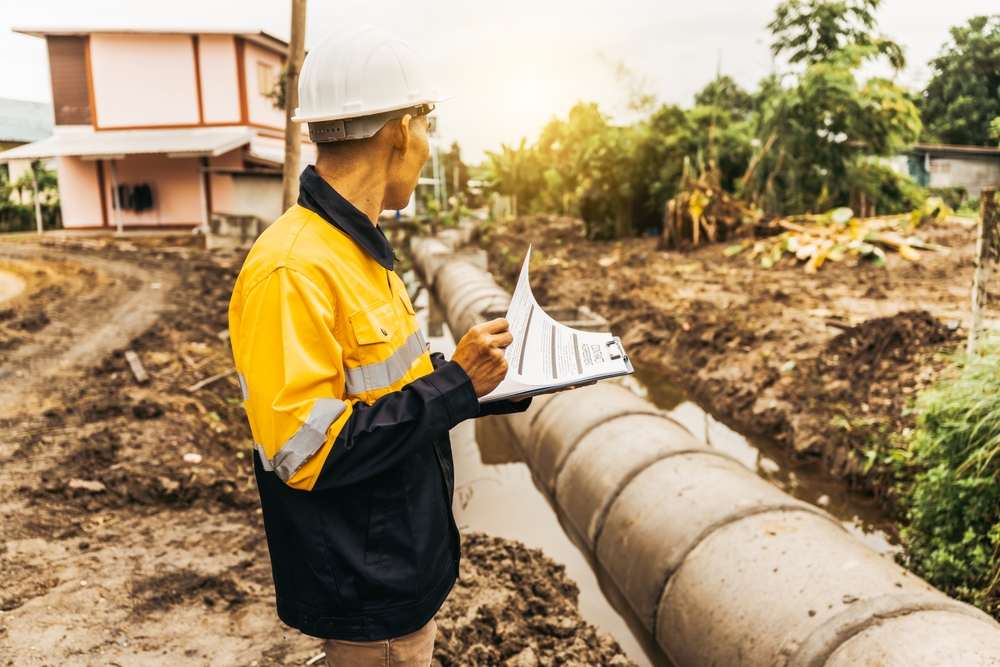
When construction happens near lakes, rivers, or community parks, protecting water quality isn’t optional. It’s essential to keep these recreational areas clean and safe. A comprehensive SWPPP risk management plan is the cornerstone of this effort.
If you’re working on a site near public waterways, this guide will walk you through common risks, how to assess them, and what best management practices (BMPs) can make a real difference.
Why Recreational Waters Need Extra Protection
Recreational waters are highly visible and heavily used by the public. These areas are sensitive to pollution, ranging from a lake surrounded by trails or a river running through a park. Unlike isolated stormwater systems, runoff entering recreational waters directly impacts people.
Poor water quality can have a myriad of negative impacts. Some of these are listed below:
- Beach closures
- Health concerns from bacteria exposure
- Harm to fish and wildlife
- Community complaints and regulatory scrutiny
Well-developed SWPPP risk management plans can be your best defense against these issues. Attention to detail is a must and is necessary to ensure success.
Common Risks to Recreational Waters
Before developing a plan, it’s important to understand the risks that impact recreational waters. These can be grouped into three major categories:
1. Chemicals and Hazardous Materials
Fuel spills, hydraulic leaks, paint, solvents, and concrete washout are some of the most common culprits on active job sites. Even small amounts can create havoc and have a detrimental effect on aquatic life. Also, construction contaminants tend to travel quickly during heavy rainfall events.
2. Sediment and Erosion
Sediment is a big factor for water clarity and disrupts the natural habitat. When soil is disturbed and not properly stabilized, rain carries it into storm drains and nearby water bodies. Your SWPPP risk management plan should pay close attention to erosion control, especially on sloped sites near lakes or rivers. These are common in Utah because of the state’s mountainous terrain.
3. Bacteria and Nutrients
On some sites, portable sanitation units, animal waste, or exposed organic materials can introduce harmful bacteria into runoff. Nutrient pollution (nitrogen and phosphorus) can fuel algae blooms. This will degrade water quality over time.
Step-by-Step: Conducting a Risk Assessment
A strong SWPPP risk management plan starts with a thorough risk assessment. This isn’t just filling out some paperwork. It’s a comprehensive review of your site to see how it interacts with surrounding waters.
- Site Evaluation: Noticeable patterns should be identified on the site. Where does the water naturally flow? You should note how close the work area is to recreational water. The soil and slope should be considered as well. Finally, you should know what chemicals and materials are stored here.
- Identify pollutant sources: Detail all areas where pollutants like concrete washout or loose sediment are present or handled. Determine how these materials could potentially enter the site’s runoff pathways. The closer these sources are to drainage pathways, the higher the risk.
- Assess Likelihood and Impact: Assign a severity rating to each identified risk based on its potential to pollute recreational waters and the likelihood of that event occurring. Use this rating to prioritize which risks require immediate control measures in your SWPPP.
Best Management Practices (BMPs) That Protect Recreational Waters
After you’ve identified the risks, the next step is to choose BMPs that are tailored to your specific site. First, is erosion and sediment control. Some ways to manage this include:
- Silt Fences and Fiber Rolls: Install these barriers along perimeter and downslope areas to filter runoff and slow water velocity. This captures sediment before it leaves the site.
- Stabilized Construction Entrances: Reduce tracking mud off-site by establishing a well-maintained entry point of stone or gravel.
- Erosion Control Blankets and Hydroseeding: Apply temporary or permanent covers to disturbed soil immediately to prevent wind and water erosion.
Controlling Hazardous Materials and Waste
To prevent chemical and bacterial pollution from reaching recreational waters, focus on containment and proper disposal.
- Spill Prevention and Response Kits: Keep spill kits stocked and accessible near chemical storage and fueling areas. Train personnel on immediate cleanup procedures.
- Designated Concrete Washout Areas: Clearly mark and contain areas for washing out concrete trucks and equipment.
- Proper Waste Management: Securely store all construction debris and portable sanitation units away from drainage paths and high-traffic areas.
Monitoring Your SWPPP Risk Management Plan’
There are several things you can do to ensure your SWPPP Risk Management Plan’s effectiveness. First, routine inspections are imperative, especially after any heavy rain event. Document anything of concern and immediately fix anything damaged or compromised.
High risk sites should have periodic water quality sampling of stormwater discharge. This can confirm that the BMPs are successfully preventing pollution. Finally, all site personnel need to be trained on the risk management plan to have the most effective line of defense.
Get Connected With A Silver Leaf SWPPP Inspector
With multiple sites across Utah, Idaho, and Wyoming, Silver Leaf SWPPP ensures your risk management plan is compliant and tailored to the region’s environmental challenges. Don’t risk water safety. Protect the people and the environment (along with your reputation) with our trusted team of experts.