
When people think about stormwater management, it’s easy to consider complex drainage systems, retention ponds, or large-scale infrastructure projects. One of the simplest and most effective tools is something you see often, called street sweeping. Understanding street sweeping stormwater benefits can help communities, businesses, and municipalities protect local waterways while staying compliant with regulations.
What Is Street Sweeping?
Street sweeping is the process of removing debris, dirt, and pollutants from paved surfaces like roads, parking lots, and curbs. Specialized sweepers use brushes, suction, and water to collect materials that would otherwise sit on the surface.
At first glance, this could seem like an ordinary maintenance task, but street sweeping plays a critical role in keeping harmful substances from being washed into storm drains during rain events. Without this imperative job, everything from trash to toxic particles can get carried directly into the stormwater system.
Preventing Pollutants from Entering Storm Drains
One of the biggest street sweeping stormwater benefits is pollution prevention. Many people don’t realize how many potential hazards roads can accumulate over time. Some examples can include:
- Oil and grease from vehicles
- Heavy metals from brake pads and tires
- Trash and plastics
- Fertilizers and pesticides
- Dirt and organic debris
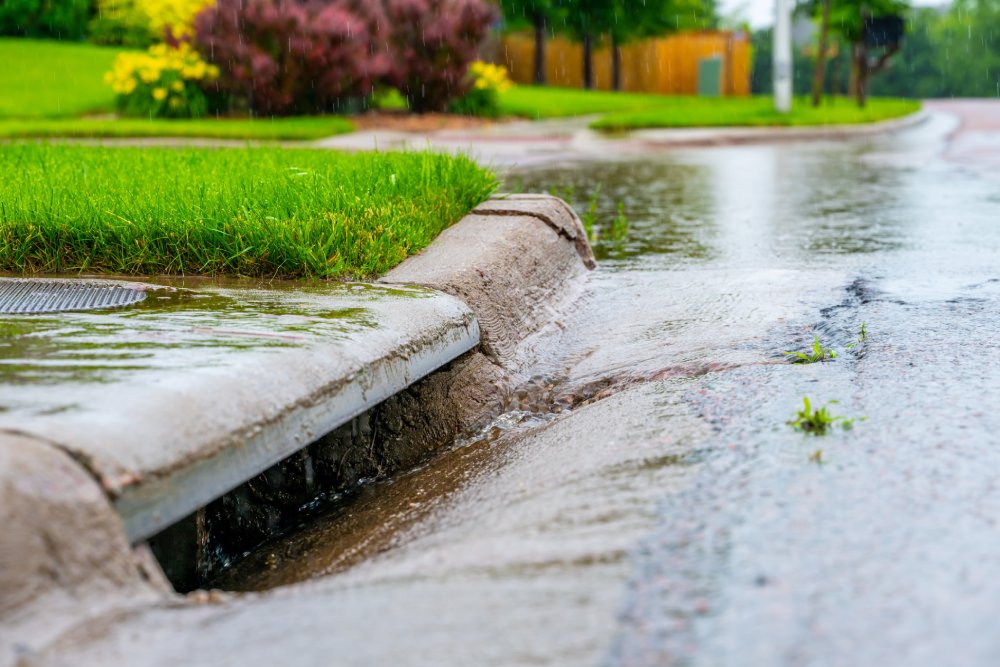
It’s a false assumption that these pollutants disappear whenever there is heavy rainfall. That simply isn’t the case. They are swept into storm drains, which often lead directly to local rivers, lakes, and oceans without treatment.
Street sweeping can help as a first line of defense. Since you’re removing these materials before rainfall occurs, you’re taking action that reduces the amount of pollution entering waterways. Some natural benefits include improving water quality and reducing public health risks associated with contaminated water.
Supporting Regulatory Compliance (EPA & MS4)
Stormwater management does have a twofold responsibility: protecting the environment and ensuring you’re staying compliant with regulations. The Environmental Protection Agency (EPA) and Municipal Separate Storm Sewer System (MS4) programs require communities and businesses to implement best management practices (BMPs) to control stormwater pollution.
Street sweeping is widely recognized as one of those effective BMPs under these programs. Regular sweeping schedules can help municipalities and property managers:
- Meet permit requirements
- Document pollution prevention efforts
- Avoid costly fines and penalties
For any construction or industrial site, incorporating street sweeping into a Stormwater Pollution Prevention Plan (SWPPP) is often essential. It shows a proactive approach to minimizing runoff contamination and maintaining compliance with federal, state, and local regulations.
Reducing Sediment Buildup in Stormwater Systems
One of the most common pollutants in stormwater is sediment. They are also very problematic to deal with. Substances like sand or debris accumulate on roads and eventually wash into drainage systems, where they settle and build up over time.
Over time, this can create a myriad of problems, such as clogged storm drains, reduced drainage capacity, increased flooding risk, and even damage to infrastructure that can cost thousands of dollars. By removing fine particles and debris from paved surfaces, sweeping reduces the volume of material that could accumulate in retention basins and pipes. The result is a more efficient stormwater system that functions properly during heavy rain events, reducing the likelihood of backups and costly repairs.
Long-Term Environmental Benefits
The environmental impact of regular street sweeping extends far beyond immediate pollution control, which can truly benefit from healthier ecosystems and more sustainable communities.
Cleaner stormwater means:
- Improved water clarity in rivers and lakes
- Healthier habitats for fish and wildlife
- Reduced algae blooms caused by excess nutrients
- Safer recreational water for people
Cost Savings for Infrastructure and Maintenance
Reducing long-term costs is something that can be forgotten about, but preventing sediment and debris from damaging drainage infrastructure offers significant financial savings by extending the life of those systems. Street sweeping is an upfront investment, but the long-term benefits can’t be denied.
- Less frequent drain cleaning: Removing debris from streets means less buildup in storm drains.
- Reduced infrastructure wear: Cleaner systems experience less strain and last longer.
- Lower repair costs: Preventing clogs and flooding reduces emergency maintenance expenses.
Consistency Matters In The Long-Run
Consistency is key if you want to get the most out of street sweeping stormwater benefits. Regular, scheduled maintenance that delivers real environmental and compliance advantages.
Of course, different factors can come into play, like foot traffic, weather patterns, and much more. For instance, high-traffic areas or construction zones may require more frequent service to keep pollutants under control. It might not seem like a high-tech service, but the effects street sweeping has on a stormwater management plan matter as a practical and effective strategy that benefits everyone.
Ready to Improve Your Stormwater Management Plan?
Silver Leaf SWPPP provides stormwater management services and effective solutions throughout Utah, Colorado, and Idaho to ensure your construction site stays compliant. Reach out today to build a cleaner and more sustainable stormwater management plan.