Erosion is a natural process, but it’s one that can quickly become costly if it’s not managed properly. It can also create compliance issues for your construction site. At Silver Leaf SWPPP, we help contractors and developers stay ahead of regulations while protecting the environment. Learn more about how erosion control methods work and when to use them.
What Is Erosion Control in Construction?
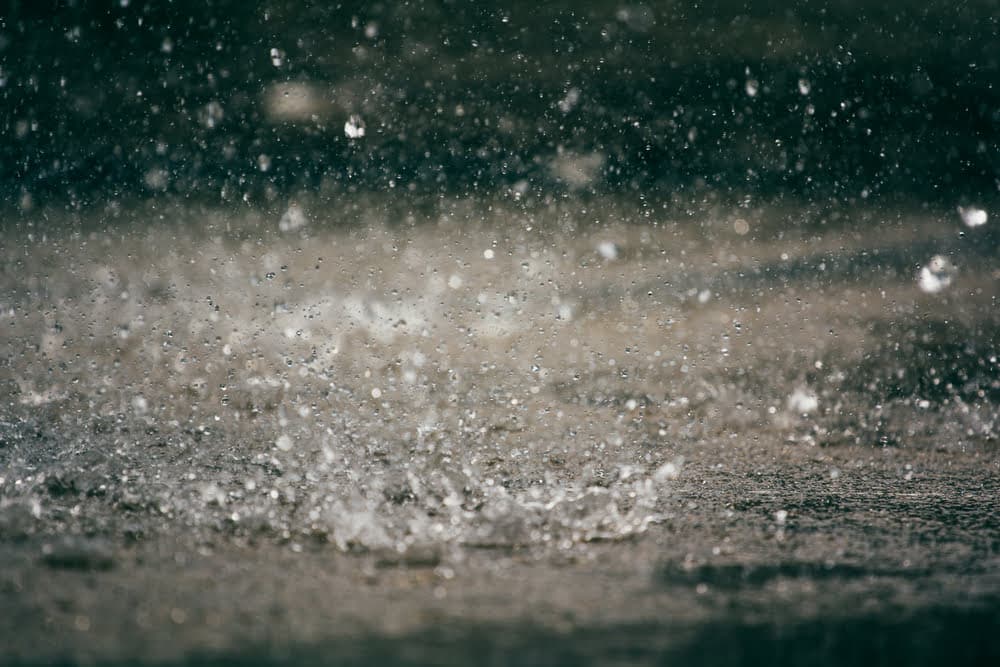
In the world of construction compliance, erosion control means you are implementing practices that prevent soil from being displaced by wind, water, or other environmental factors. It’s a critical component of Stormwater Pollution Prevention Plans (SWPPPs), ensuring that sediment doesn’t leave the job site and contaminate nearby waterways.
Without proper erosion control measures, loose soil can wash into storm drains, rivers, and lakes, leading to environmental damage and potential fines. Regulatory agencies throughout Utah, Colorado, and Idaho require strict adherence to erosion and sediment control standards throughout every phase of construction.
Temporary Erosion Control Methods
Temporary methods are precisely what they sound like. These are short-term methods designed to stabilize soil during an active construction process. During the early stages of projects, these methods are imperative because the ground is more vulnerable.
Mulching
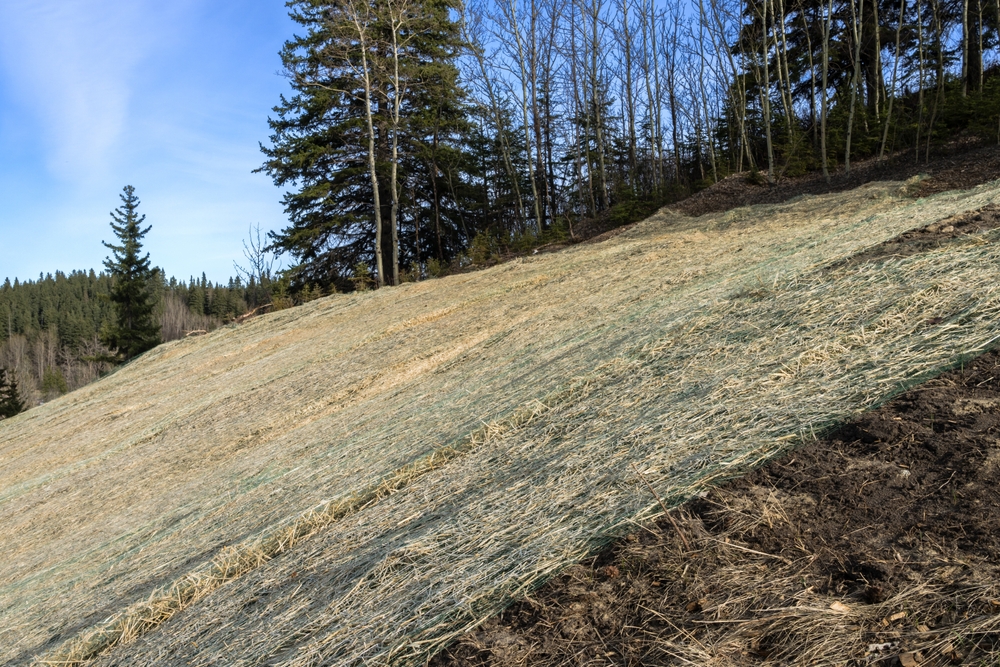
Mulching is one of the simplest and most temporary methods of erosion control. This can include covering exposed soil with organic materials such as straw or wood chips. It creates a protective layer that can help minimize the effects of wind and rain. It also helps retain moisture, which can prevent soil from drying out and becoming more prone to erosion.
Wattles
Wattles are also known as fiber rolls. These are long tubes filled with straw or coconut fiber (or similar materials). They’re placed along slopes or contours to slow down water flow and capture sediment. Wattles are particularly useful on uneven terrain and can be quickly installed and repositioned as needed.
Silt Fencing
These are staples in different construction sites across Utah, Idaho, and Colorado, and for good reasons. They act as a “barrier” with a permeable fabric stretched between stakes and installed along the perimeter of a site. They allow water to pass through while trapping sediment, keeping it contained within the work area.
These temporary erosion control methods are essential during grading or other high-disturbance activities. They act as the first line of defense against sediment runoff until more permanent solutions can be implemented.
Permanent Erosion Stabilization Techniques
As a construction project starts to wrap up, the focus shifts from temporary fixes to permanent (and long-term) stability. Permanent methods are designed to keep soil in place for years to come, even after the project is complete. Below are some examples of those.
Vegetation
Establishing vegetation can be one of the most effective ways to help stabilize soil. In regions like Utah and Colorado, selecting native or drought-resistant species is especially important for long-term success. Some examples, such as native grasses and succulents, develop deep root systems that secure the soil and help them thrive with minimal water.
Riprap
Riprap involves placing large stones or gravel over vulnerable areas, such as slopes or drainage channels. This technique helps absorb and deflect the energy of flowing water, preventing it from washing away soil underneath. It’s a durable solution often used in areas with heavy water flow.
Retaining Systems
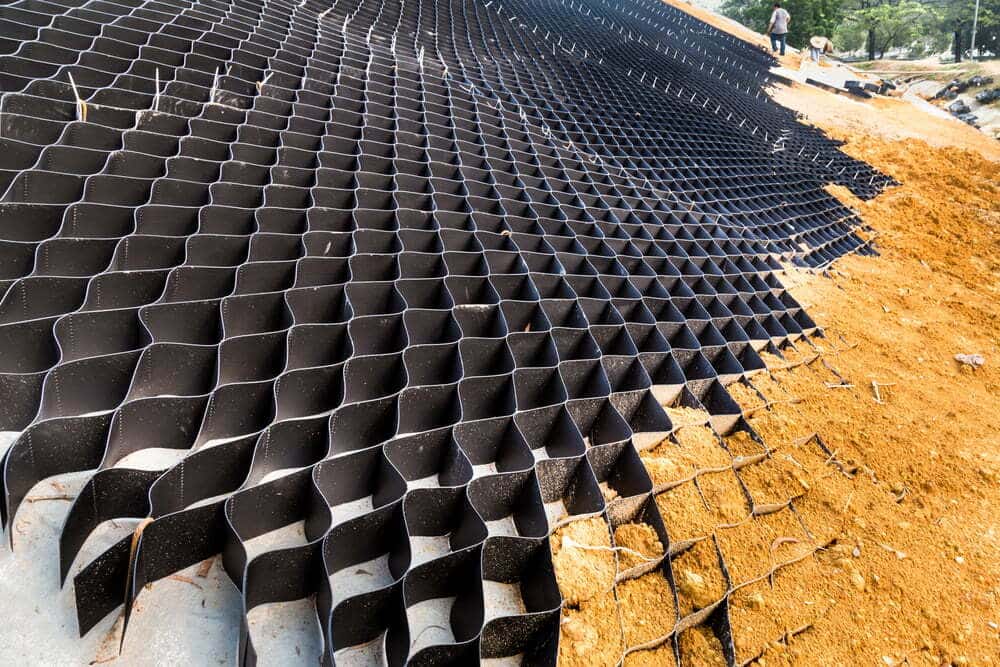
You can think of a retaining system as a physical structure that helps keep the soil in place. They can be used in areas with limited space or on steep slopes. While they require more planning and investment, they offer high stability and can be integrated into the project’s overall design.
These permanent erosion control methods are most likely used during the final phases of the construction project. After the site has been graded and shaped, the property remains stable and compliant long after the last piece of equipment leaves.
When to Use Each Method
Timing is essential when it comes to erosion control. Temporary methods can be used as soon as the soil is disturbed (and most likely before major construction starts). This proactive approach minimizes the risk of sediment runoff during unexpected weather events. It’s also important to remember that temporary methods may need to be adjusted in high-risk areas.
Once the site reaches the stabilization phase, permanent solutions take over. In many cases, there’s an overlap in which temporary and permanent methods are used together to ensure continuous protection. Understanding when to transition between these approaches is key to maintaining compliance and avoiding costly setbacks. That’s why many contractors rely on experts like Silver Leaf SWPPP to guide them through each phase.
Why does implementing these methods matter? You help reduce sediment entering stormwater systems, keeping rivers and streams clean. Erosion control can also demonstrate a commitment to environmental responsibility, which is increasingly important for communities across Utah, Idaho, and Colorado.
Bringing It All Together: Partner With Silver Leaf SWPPP
Knowing how and when to use these erosion control methods is imperative. It keeps your project on track and helps you stay in compliance. With experienced partners like Silver Leaf SWPPP, you don’t have to navigate it alone. Contact us today to learn more about our services.