Every construction site has different conditions. The same best management practice (BMP) may not work equally well everywhere. Soil, slopes, drainage, and weather can all affect how water moves across a property. As a result, soil can become disturbed. Choosing the right BMPs helps keep stormwater under control throughout a project.
At Silver Leaf SWPPP, understanding those differences is an important part of developing an effective stormwater approach. Site-specific BMP selection helps project teams choose practices that fit the actual conditions rather than relying on one solution. From selecting the right type of protection to deciding where it should be installed, each choice can make a difference in how well a site is managed during construction.
Table Of Contents
- Understand how site conditions influence BMP selection
- Learn the difference between erosion and sediment control BMPs
- Evaluate BMPs based on project requirements
- Learn how BMP placement supports overall site design
How Site Conditions Shape BMP Choices
Choosing the right best management practices (BMPs) starts with understanding how water moves across particular sites. Soil that erodes easily may need stronger protection to help keep sediment from leaving the disturbed areas.
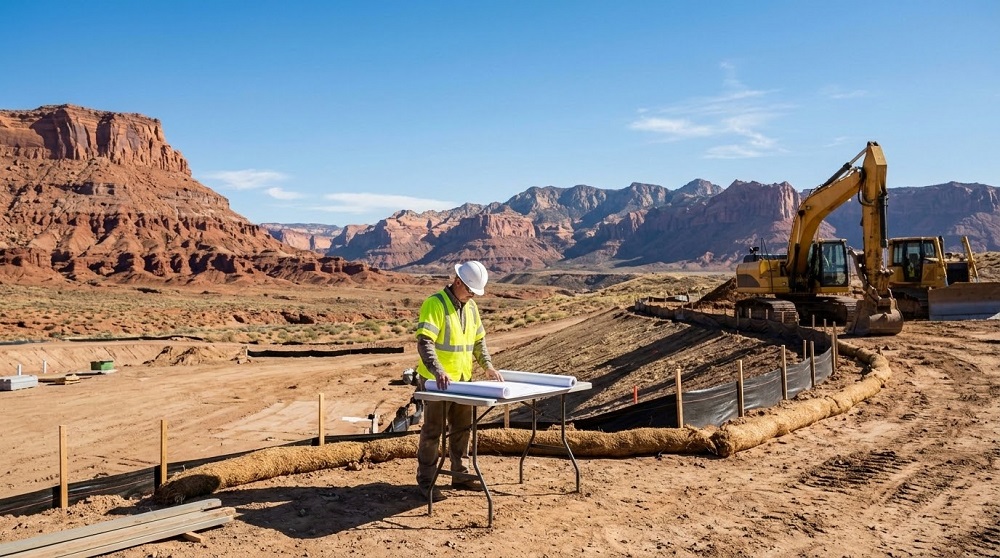
Slope also plays an important role, especially in Utah. Longer or steeper slopes can increase runoff speed. This may require additional measures to slow the water and reduce erosion.
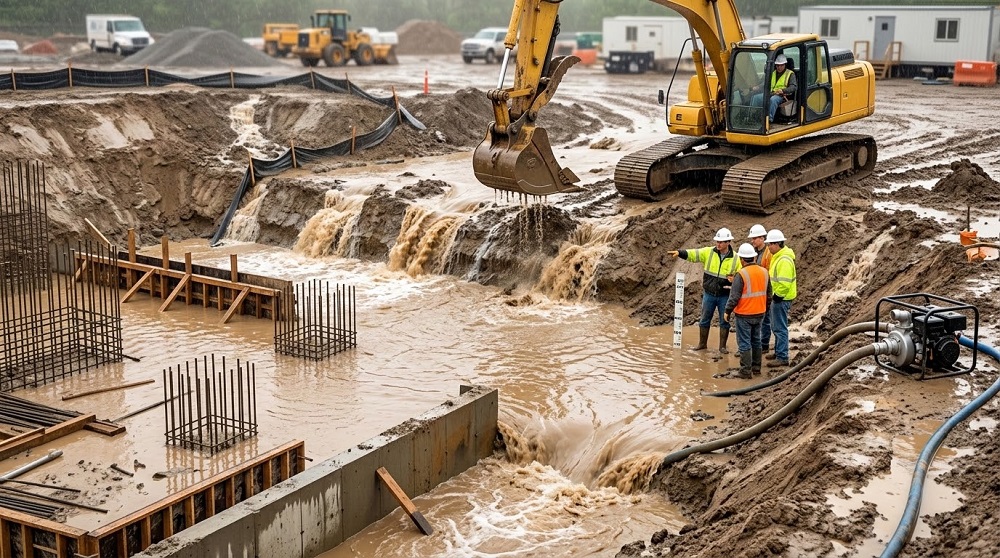
Drainage patterns matter because areas that naturally collect or direct water may need BMPs designed to manage concentrated flow. Rainfall exposure is another consideration. There are many sites that experience frequent or intense storms during specific times of the year.
These factors help determine which practices will provide reliable protection throughout a project. Site-specific BMP selection allows contractors and project teams to choose measures that fit the actual condition. You’re not relying on a single approach that may or may not work.
By evaluating the site before installation, teams can place BMPs where they will be most effective and adjust their approach as conditions change
Know the Purpose of Erosion and Sediment Controls
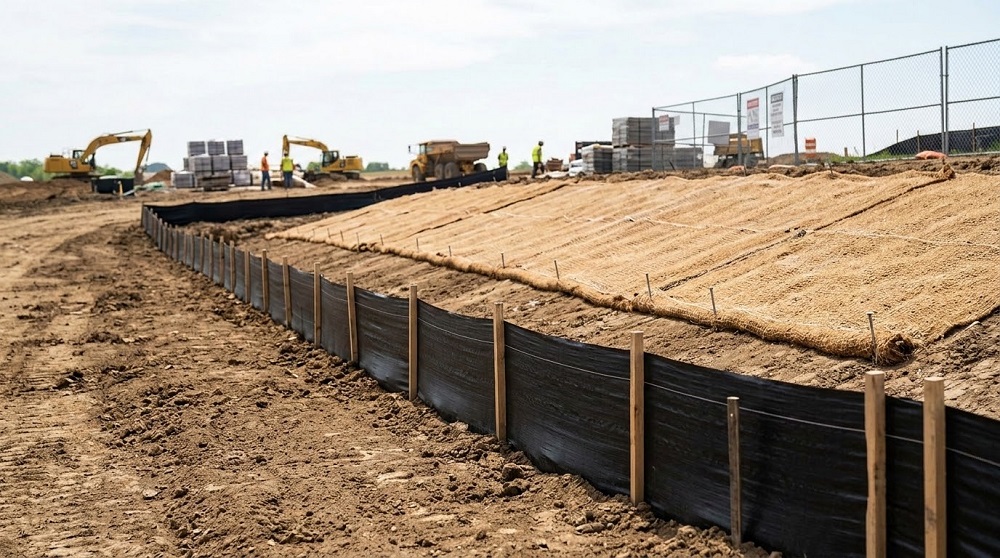
Erosion-control BMPs are designed to keep soil in place. If left unconsidered, it can become a runoff problem very quickly. They are often used on exposed soil and other areas where water could wash soil away (such as inclines or slopes). Examples include erosion control blankets, mulch, temporary seeding, and tackifiers.
Sediment-control BMPs can serve a different purpose. They help capture soil that has already been disturbed or carried by runoff before it leaves the site. Common examples include silt fences, sediment basins, inlet protection, and sediment traps.
Consider what is happening on the site and what each BMP is designed to accomplish when you’re considering which one to use. Site limitations can also affect which option makes the most sense.
- Erosion control: Prevents soil from being washed away.
- Sediment control: Captures soil after it has been displaced.
- Site conditions: Determine where and how each BMP should be installed.
Using the right combination can provide better protection throughout construction. In many cases, erosion controls work best as the first line of defense. Sediment controls provide added protection around areas where runoff may carry soil.
Balance BMP Requirements With Project Needs
Choosing a BMP (best management practice) is not just about how well it controls erosion or sediment. You should also consider how much available space there is. Some BMPs need more room for installation. Others can fit into smaller or more confined areas and still work just as well.
Maintenance is another factor to consider. A BMP that requires frequent inspections or repairs may need more attention throughout the project. It is important to understand those responsibilities before making a decision.
Service life matters, too. Temporary projects may only need short-term protection. Longer projects may require BMPs that can remain effective for an extended period. For example, a large commercial development may need BMPs that remain in place throughout several phases of construction.
You also have to consider the budget. The lowest-cost option is not always the best choice if it requires frequent replacement or maintenance. Looking at the full picture helps teams choose site-specific BMPs that fit your project site’s needs.
Make BMP Placement Work With the Site Design
BMPs should work with the overall layout of a construction site and be intentionally planned. Their placement can be planned around how water moves through the property. They need to allow crews to access and complete their work.
For example, a Utah project with steeper terrain may need BMPs positioned to slow runoff as it moves downhill. In Idaho, a project near a drainage area may benefit from BMPs placed where they can intercept sediment before it reaches the drainage system. A Colorado project may require a different approach based on the site’s layout and surrounding conditions. Silver Leaf SWPPP serves projects across all three states, with BMP installation tailored to each site’s needs.
Think of BMP placement like designing a pond or waterfall to complement a property’s landscape. The BMP should serve its purpose while fitting naturally into the site’s overall design.
Get Help With BMP Installation and Maintenance
Knowing which BMP works best is certainly a challenge, but it can be done with expert help. Silver Leaf SWPPP provides erosion control in Utah. Our team can also help with inlet filtration systems and ongoing BMP maintenance to keep your project protected and moving toward compliance.
What are BMPs used for?
BMPs help control erosion and manage sediment during construction. They help reduce the amount of soil that can be carried away by stormwater.
How do I choose the right BMP for my site?
Consider the site’s conditions and how water moves across it. The right BMP should also fit the available space and project requirements.
Do BMPs require ongoing maintenance?
Regular inspections and maintenance help ensure BMPs continue working as intended throughout construction.