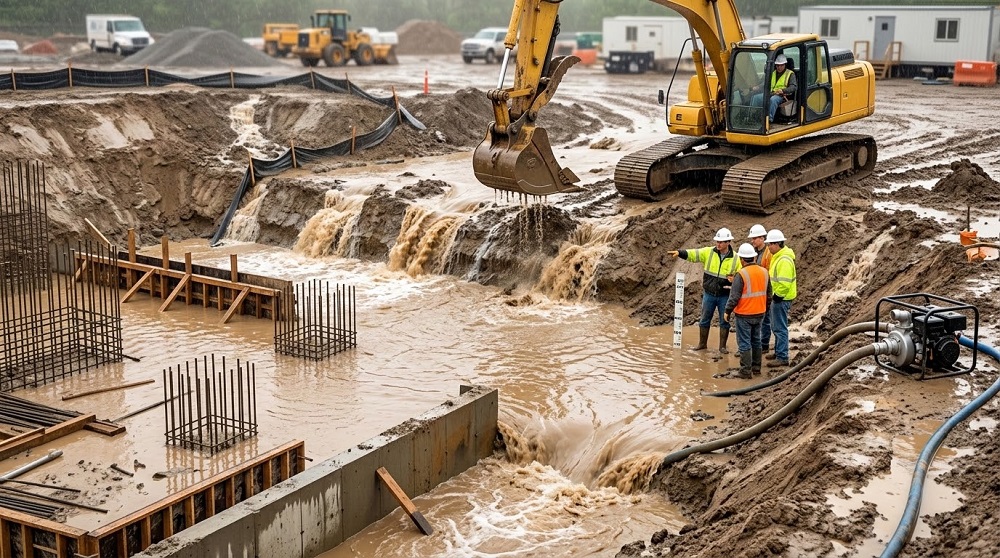
Keeping water under control can make a big difference on a construction site. When groundwater or runoff starts collecting where work needs to happen, it can slow progress and create hazardous working conditions. The right approach depends on what is happening beneath and around the site. Understanding the conditions before choosing a solution is important.
Construction dewatering systems can help keep work areas manageable while supporting safer and more efficient site operations. The best system will depend on factors such as the amount of water present and the type of soil being worked with. Silver Leaf SWPPP supports construction sites with practical solutions that help manage water and maintain compliance throughout a project. This gives contractors greater confidence as work moves forward.
Key Takeaways
- How site conditions affect your dewatering approach
- What groundwater and soil conditions mean for your project
- How to select the right equipment for the job
- Ways proper dewatering can keep construction moving
- Environmental factors to consider before getting started
Evaluate Groundwater Conditions
It is important to understand how much water you may encounter during excavation before you consider which dewatering approach works best. Groundwater levels can vary from one site to another, and conditions may change as excavation gets deeper or more complicated. Knowing what to expect can help you choose a system that can keep the work area manageable and safe.
Excavation depth plays an important role. A deeper excavation may require more planning to control water effectively. Soil permeability matters as well because some soils allow water to move through the ground more easily than others (this is common throughout Utah).
Expected water volume should also be considered before work begins. Estimating how much water may need to be removed can help determine the appropriate capacity for your construction dewatering systems.
Finally, think about where and when the collected water can go. Available discharge locations and local requirements can affect your options. For construction projects in Utah, Silver Leaf SWPPP supports practical water management considerations that help sites stay on track and meet applicable requirements.
Compare Water Treatment Approaches
Once you understand the site conditions, the next step is determining the expected water quality. This will help guide which approach makes the most sense for your project.
Depending on what is found onsite, the following factors should be considered:
- Pumping to move water away from the excavation
- Filtration to remove suspended materials
- Settling to allow sediment to separate
- Treatment if you find additional water concerns.
All projects are different. You might need a combination of all of the methods listed. Water that contains significant sediment may require more attention before discharge. In contrast, relatively clear water may be easier to manage.
The goal is to select an approach that handles the expected water volume while meeting discharge requirements. Taking time to evaluate water quality early can help prevent delays. This makes construction dewatering systems more effective throughout the project.
Plan for Equipment Needs
Choosing equipment is quite involved. It’s much more than determining what can move water from one location to another. The setup needs to work with the realities and challenges of your construction site. Think about how much space is available and whether equipment can be accessed easily during the entire project.
Power is another important consideration. Some equipment may require a reliable power source, while other options may be better suited to sites with limited access to electricity. Maintenance and monitoring needs should also be considered. Can it be managed throughout the project?
| Consideration | What to Evaluate |
| Site access | Can the equipment reach the work area? |
| Power | Is a suitable power source available? |
| Maintenance | How often will the equipment need attention? |
| Monitoring | How will performance be checked? |
| Space | Is there enough room for setup? |
| Budget | Does the equipment fit the project budget? |
Planning for these factors before selecting equipment can help avoid unexpected challenges once construction is underway.
Plan Discharge Locations Carefully
The location can have a major impact on the surrounding site. Before work begins, identify a suitable discharge location. You should also make sure it can handle the expected flow. Poor planning can lead to standing water, erosion, or sediment being carried into nearby areas.
The discharge point should also work with the overall site layout. In Utah, changing weather and local site conditions can affect how quickly water moves across disturbed ground. Careful planning is necessary and is often underestimated.
Construction dewatering systems should direct water in a controlled manner without creating new problems. Monitoring the discharge area during construction can help identify issues before they become more difficult to address.
Get Help With Your Utah Dewatering Project
Choosing the right approach can make dewatering much easier to manage. If your project is in Utah, Idaho, Wyoming, or Colorado, Silver Leaf SWPPP can help from the planning stage through final reporting. Learn more about dewatering in Utah and see how Silver Leaf SWPPP can help keep your excavation dry while supporting water quality compliance. Contact our team to discuss your project and find the right solution for your site.
Frequently Asked Questions
What does Silver Leaf SWPPP include with dewatering services?
Silver Leaf SWPPP provides turnkey support that includes system design, installation, filtration, environmental testing, permitting, and project reporting.
Does Silver Leaf SWPPP help with dewatering permits?
Our team handles necessary permits and compliance requirements, including the Construction Dewatering and Hydrostatic Testing Permit for applicable Utah projects.
How does Silver Leaf SWPPP monitor water quality?
Our trained staff conducts weekly sampling and sends samples to accredited laboratories. They also manage required reporting and documentation through project closeout.