
Stormwater compliance is a big deal if you’re managing a construction site. One of the best ways to stay on track is by using a clear SWPPP inspection checklist. Strong checklists can be a proactive way to avoid problems before they start, ranging from avoiding fines to protecting nearby land and waterways. It doesn’t have to be complicated, but organization and attention to detail are a must.
Required Erosion and Sediment Controls
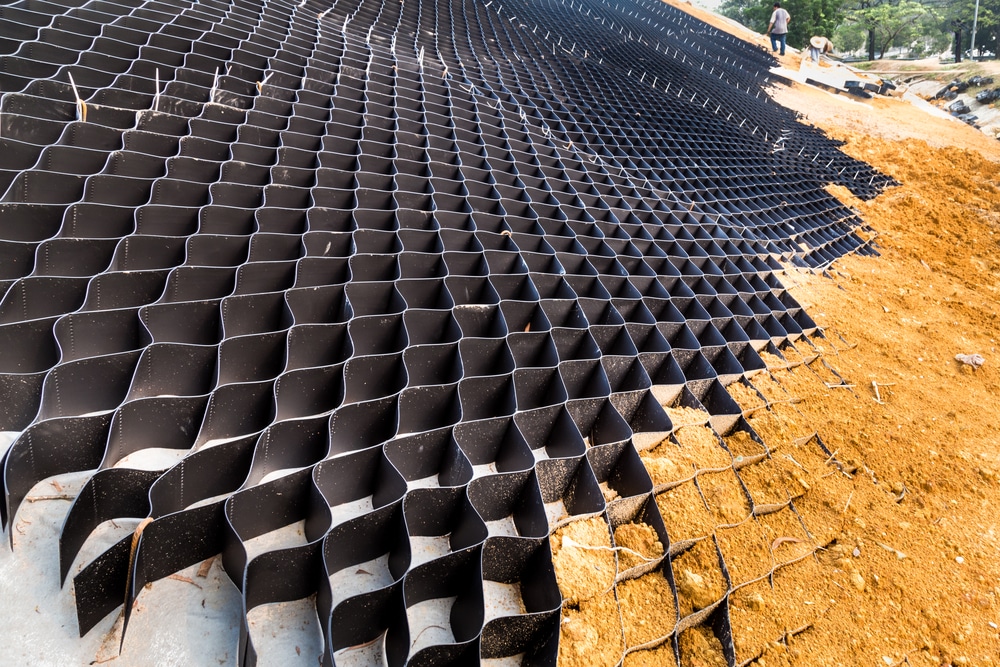
Every SWPPP inspection checklist must include regulatory-required erosion and sediment controls. These are not optional because state and federal agencies need to know you are meeting your legal obligations. Some common items to inspect include:
- Silt fences
- Inlet protection
- Sediment basins
- Fiber rolls or wattles
- Construction entrances
During an inspection, these controls should be properly installed and maintained. Having them installed isn’t enough. The condition and effectiveness of each control matters just as much. If they’ve shifted or been removed during grading, they need to be replaced quickly.
Proper Waste Management and Housekeeping
Stormwater rules shouldn’t only focus on erosion and sediment control. A complete SWPPP inspection checklist must also verify proper waste management and general site housekeeping. This ensures all potential sources of pollution are managed. Concrete washout areas, fuel/chemical storage, and general debris removal should all be checked. A tidy site is much more likely to be a compliant site, minimizing risks to water quality.
Trash and chemicals left exposed can easily wash into storm drains. Concrete washout areas should be clearly marked and contained. Portable toilets must be secured so they don’t tip over. Keeping your site clean isn’t enough to stay compliant. However, it’s far less likely you’ll run into other problems.
Best Management Practices (BMPs) in Action
Best Management Practices, or BMPs, are the systems and procedures you use to prevent pollution. These are a major part of every SWPPP inspection checklist. Below are some of those BMPS.
- Water Diversion Methods
This could include things like swales and ditches that channel water away from the vulnerable areas. Properly maintained diversion methods are a critical part of minimizing runoff velocity and volume across the site.
- Dewatering Procedures
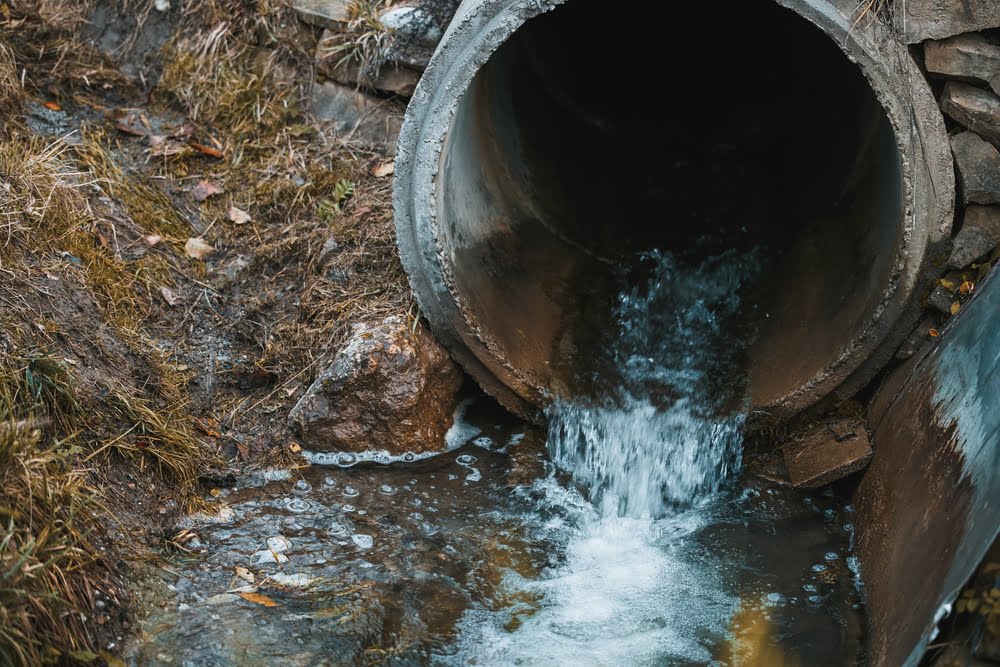
If you have standing water on the site that needs to be pumped out, the procedures for dewatering must be checked. This involves confirming that the water is being discharged to an approved location and that any necessary filtration (such as through a sediment bag or filter cloth) is in place to remove sediment before release. When done improperly, it can be the major contributor to pollution.
- Vehicle and Equipment Maintenance
Inspections must confirm that fueling and maintenance activities are not happening near storm drains or waterways and that proper spill kits are readily available and fully stocked.
Site-Specific Conditions You Can’t Ignore
Silver Leaf SWPPP has locations throughout Utah, Colorado, and Idaho. It’s safe to say that every construction site is different. A SWPPP inspection checklist should reflect the unique needs of that area. A flat site may not need the same level of controls as a site with steep hills. Sandy soil can erode faster than clay-heavy soil. Sites near waterways often require extra protection and closer monitoring.
The varying elevations and climate zones across Utah, Idaho, and Colorado mean a “one size fits all” approach to stormwater management is ineffective. For instance, sites in mountainous Colorado may deal with rapid snowmelt, while drier, high-desert areas of Utah require different considerations for dust and flash flooding.
Clear Documentation And Record Keeping
Even if your controls are perfect, poor documentation can still lead to violations. This is where having attention to detail matters most. Good SWPPP inspection checklists should include the following:
- Date and time of inspection
- Weather conditions
- Rainfall data
- Photos of the site
- Notes about issues found
- Corrective actions taken
- Follow-up verification
Keeping organized records shows regulators that you are serious about compliance. It also protects you if questions come up later. Inspectors should understand erosion control methods and know how to identify compliance issues. They should also feel comfortable documenting problems and recommending corrective actions
Keeping Your Project Compliant and Protected
A well-built SWPPP inspection checklist is the foundation of keeping a project compliant and protected. It simplifies complex requirements into actionable steps. This ultimately keeps the site (and the environment) protected. When your checklist includes required erosion controls, site-specific conditions, documentation steps, and inspection scheduling, you stay ahead of problems instead of reacting to them.
Having a professional by your side like Silver Leaf SWPPP for SWPPP inspections can make all the difference. We can help projects In Utah, Colorado, and Idaho confidently move forward the way they intended. Learn more about how we can help today!